






What's Happening?
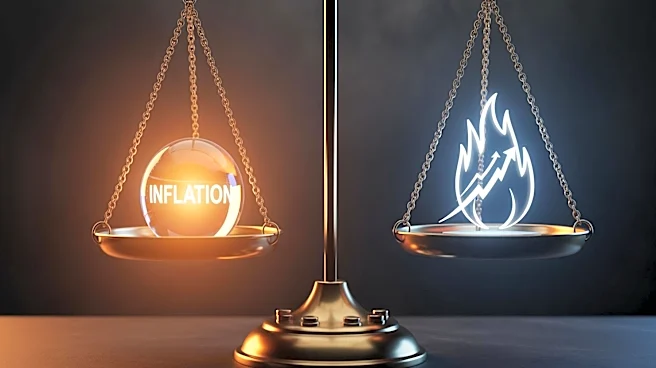
Inflation in the United States has surged to 4.2% in May, marking the highest level in three years, primarily driven by a 3.9% increase in energy costs. This rise in inflation comes amid ongoing disruptions in global oil markets due to the conflict involving
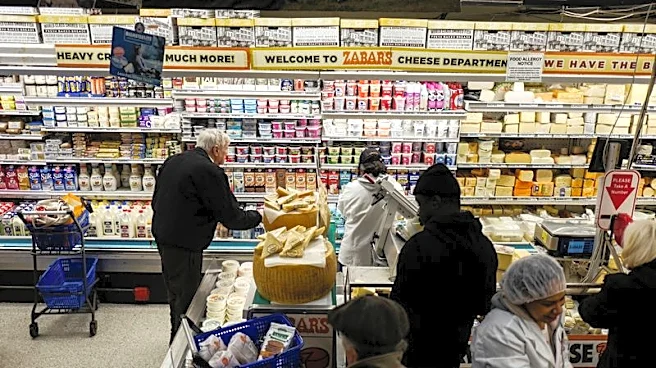
Iran and uncertainties around shipping through the Strait of Hormuz. The U.S. Labor Department's Bureau of Labor Statistics reported that gasoline prices have reached a national average of $4.13 per gallon. Additionally, shelter costs have increased by 3.4% year-over-year, and food prices rose by 0.3% in May. The Federal Reserve, under new Chairman Kevin Warsh, is preparing for its first policy meeting, where the recent inflation data is expected to influence decisions on interest rates. Despite previous expectations for rate cuts, the current inflationary pressures have led to discussions about potential rate hikes.
Why It's Important?
The rising inflation poses significant challenges for the U.S. economy, particularly affecting the housing market and consumer purchasing power. With mortgage rates already elevated, the prospect of sustained high inflation could further strain homebuyers, as borrowing costs remain high. This situation complicates the Federal Reserve's policy decisions, as maintaining or increasing interest rates could dampen economic growth but may be necessary to control inflation. The conflict in the Middle East, particularly the situation in Iran, plays a critical role in this economic scenario, as it impacts energy prices and, consequently, inflation. The outcome of the Federal Reserve's policy meeting will be closely watched by economists and market participants, as it will set the tone for future economic conditions.
What's Next?
The Federal Reserve's upcoming policy meeting will be crucial in determining the direction of interest rates. While many experts anticipate that rates will remain unchanged, the ongoing inflationary pressures could lead to a reassessment of this stance. The duration of the Middle East conflict, particularly the situation in the Strait of Hormuz, will be a key factor in future inflation trends. If geopolitical tensions ease, there may be a moderation in inflation, potentially allowing for more accommodative monetary policy. However, if the conflict persists, the Federal Reserve may need to consider further tightening to manage inflation, which could have broader implications for economic growth and consumer spending.