
What's Happening?
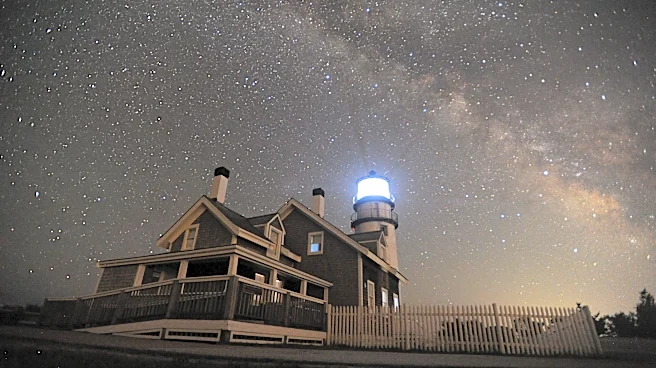
A stargazer recounts a disappointing night sky experience that reshaped their approach to planning astrotourism adventures. The event took place in a remote location, ideal on paper for stargazing, but
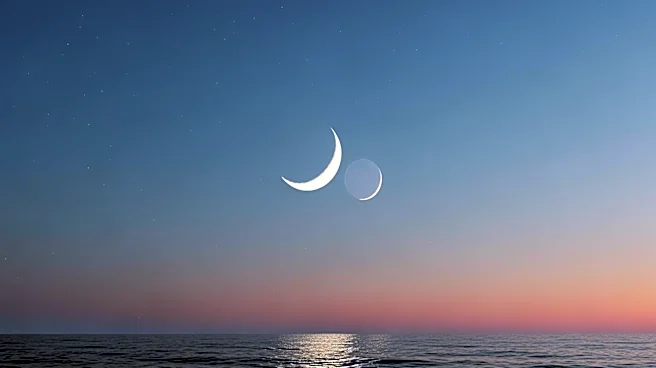
was marred by a bright, just-past-full moon that obscured the Milky Way and other celestial sights. This experience highlighted the importance of precise planning around lunar phases and location to ensure optimal dark-sky conditions. The stargazer emphasizes the need to consider moon phases, location, and seasonal factors when planning astrotourism trips. Certified Dark Sky Places and remote parks are recommended for their exceptional observing conditions, while the timing of trips should align with moonless nights to avoid light pollution from the moon.
Why It's Important?
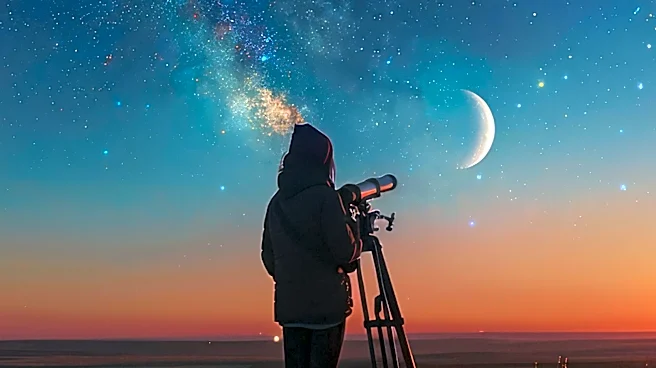
The significance of this story lies in the growing interest in astrotourism, a niche yet expanding sector of tourism that combines travel with astronomical observation. Proper planning is crucial to maximize the experience, as light pollution and moon phases can significantly impact visibility. This has broader implications for tourism operators and destinations that market themselves as stargazing hotspots. By understanding and mitigating these factors, they can enhance visitor satisfaction and potentially increase tourism revenue. Additionally, this highlights the importance of preserving dark skies, which are increasingly threatened by urban light pollution, thus raising awareness about environmental conservation.
What's Next?
Astrotourism enthusiasts and operators may increasingly focus on educating travelers about the importance of timing and location in planning stargazing trips. This could lead to the development of more resources and tools, such as apps or guides, to assist in planning around lunar cycles and identifying optimal locations. Destinations may also invest in infrastructure to support dark-sky tourism, such as observatories or designated dark-sky parks. As awareness grows, there may be increased advocacy for policies to reduce light pollution, benefiting both astrotourism and broader environmental goals.
Beyond the Headlines
The story underscores a cultural shift towards valuing experiences over material possessions, with astrotourism offering a unique way to connect with nature and the cosmos. It also highlights the potential for astrotourism to foster a greater appreciation for science and astronomy among the public. This could lead to increased interest in STEM fields and support for scientific research. Furthermore, the emphasis on planning and precision in astrotourism reflects broader societal trends towards mindfulness and intentional living, encouraging individuals to be more deliberate in their leisure activities.