



What's Happening?
A recent survey by MarketWise reveals that approximately 76% of investors are concerned about a potential stock market crash in 2026. The survey, which included 1,004 American participants, highlights that nearly half of the respondents feel unprepared
for a possible recession, with this sentiment being more pronounced among those earning under $75,000 annually. The data suggests that economic pressures and job insecurity are influencing investor behavior, leading many to adopt a more cautious approach by holding onto cash and delaying long-term financial decisions. This cautious sentiment is further reflected in the investment choices, with 54% of respondents expressing wariness towards cryptocurrency investments, while 47% are optimistic about gold, a traditional safe-haven asset.
Why It's Important?
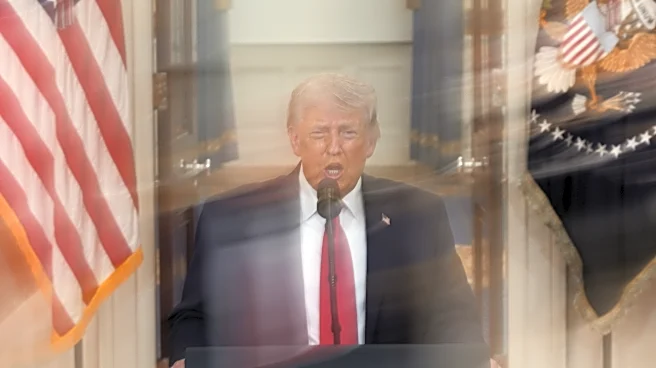
The findings of the MarketWise survey underscore a significant shift in investor sentiment, which could have broader implications for the U.S. economy. The stock market experienced robust growth in 2025, driven by optimism around economic growth and investments in artificial intelligence. However, concerns about a potential market bubble, reminiscent of the dot-com era, are causing apprehension. This cautious outlook could lead to reduced risk-taking and a preference for defensive investment strategies, potentially slowing economic momentum. The survey indicates that geopolitical events and fiscal stability concerns, such as those related to President Trump's Greenland ambitions, are also influencing investor decisions.
What's Next?
Analysts predict that 2026 will see slightly weaker stock market gains compared to the previous year. Goldman Sachs forecasts a 12% return for the S&P 500, while Morgan Stanley anticipates a near double-digit return, setting a target of 7,500 for the index. As investors continue to navigate economic uncertainties, there may be a shift towards safer assets, with a focus on capital preservation. This defensive positioning could define the investment landscape in 2026, especially if economic and geopolitical tensions persist.