






What's Happening?
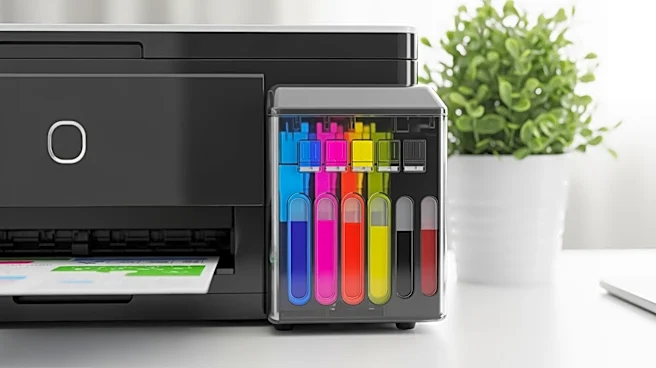
Refillable ink tank printers, such as the HP Smart Tank series, are gaining popularity due to their cost-effectiveness and environmental benefits. Unlike traditional cartridge printers, these models use large, built-in reservoirs that are refilled with
ink from high-yield bottles. This approach significantly reduces the cost per page, with black-and-white pages costing about 1 cent and color pages 2 to 3 cents. Over time, users can save between $50 and $200 annually. Additionally, refillable ink tank printers produce less plastic waste compared to cartridge printers, aligning with eco-friendly practices. The HP Smart Tank series, for example, can print thousands of pages with the ink provided in the box, reducing the frequency of refills and waste.
Why It's Important?
The shift towards refillable ink tank printers represents a significant change in consumer printing habits, driven by both economic and environmental considerations. For households and small offices, the reduced cost per page can lead to substantial savings over the printer's lifespan. Environmentally, the reduction in plastic waste from discarded cartridges is a critical advantage, contributing to sustainability efforts. This trend also reflects a broader consumer demand for products that offer long-term value and minimal environmental impact. As more consumers become aware of these benefits, the market for refillable ink tank printers is likely to expand, potentially influencing the strategies of major printer manufacturers.
What's Next?
As the demand for refillable ink tank printers grows, manufacturers may increase their focus on developing and marketing these models. This could lead to further innovations in ink technology and printer design, enhancing efficiency and user experience. Additionally, the environmental benefits may prompt regulatory bodies to encourage or mandate the use of more sustainable printing solutions. Consumers can expect to see a wider range of options and potentially lower prices as competition in this segment intensifies. Businesses and individuals who prioritize cost savings and environmental responsibility are likely to continue driving this trend.