

What's Happening?
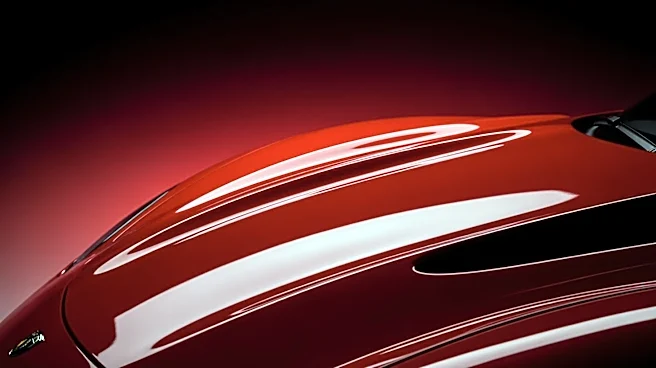
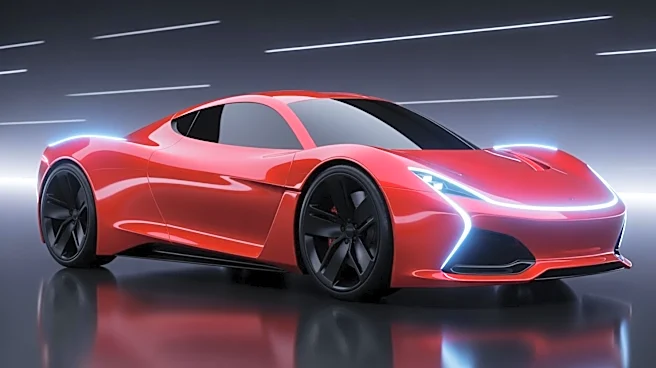
Tesla has filed a trademark for a bespoke Roadster badge, marking a significant step in the long-delayed production of its promised supercar. Originally announced in 2017 with a projected release in 2020, the Roadster has faced multiple delays. The new
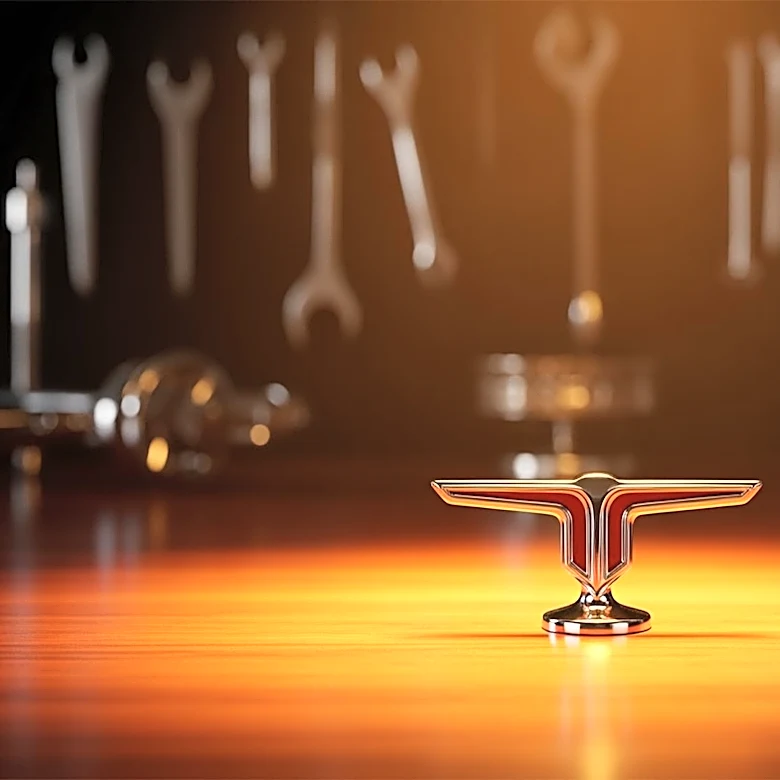
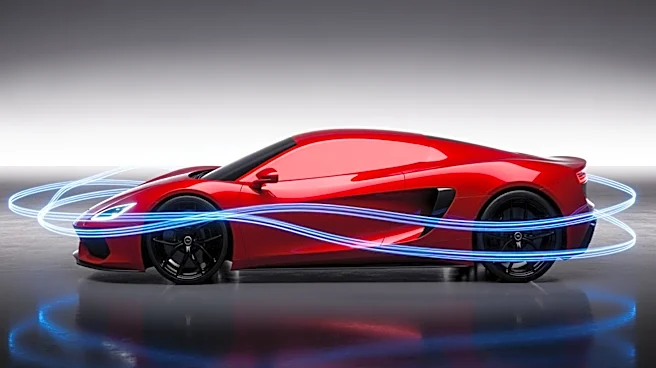
trademark, submitted to the United States Patent and Trademark Office, features a stylized triangular shield with the Roadster wordmark and four vertical lines symbolizing speed and propulsion. This move is unusual for Tesla, which typically uses its corporate T logo for its vehicles. The Roadster's specifications have evolved over the years, with claims of a 1.9-second zero-to-60 time and a 620-mile range. Despite these ambitious targets, production has been repeatedly postponed, with the latest timeline suggesting a reveal in late May or June 2026.
Why It's Important?
The filing of a bespoke badge for the Roadster indicates Tesla's intention to position the vehicle within the supercar market, a segment traditionally dominated by brands like Ferrari and Lamborghini. This move could enhance Tesla's brand prestige and appeal to high-end consumers. However, the delay in production has allowed competitors to fill the market gap, with companies like Rimac and Lucid Motors offering electric supercars with similar or superior performance metrics. The Roadster's eventual release could impact Tesla's market share and influence its reputation for innovation and reliability. The trademark filing suggests a strategic shift towards embracing traditional supercar branding, potentially broadening Tesla's appeal beyond its current customer base.
What's Next?
Tesla plans to unveil the Roadster in late May or early June 2026, with production expected to follow 12 to 18 months later. This timeline suggests a potential start date for production in mid-to-late 2027 or into 2028. The reveal will be crucial in determining whether Tesla can meet its ambitious performance claims and deliver on its long-standing promise to customers who placed deposits as early as 2017. The automotive industry and Tesla's investors will closely watch the unveiling for signs of the company's ability to compete in the high-performance electric vehicle market.
Beyond the Headlines
The Roadster's development highlights the challenges Tesla faces in balancing innovation with production realities. The company's focus on high-profile projects like the Cybertruck and its expansion into other areas, such as energy storage and humanoid robots, may have contributed to the Roadster's delays. The bespoke badge and the emphasis on supercar aesthetics suggest a deliberate attempt to align with luxury automotive traditions, potentially signaling a new direction for Tesla's brand identity. This strategic positioning could influence future product developments and marketing strategies.