






What's Happening?
The Kurt Vonnegut Museum and Library is launching a new immersive exhibition inspired by the fictional world of Tralfamadore from Vonnegut's novel 'Slaughterhouse-Five.' This exhibit aims to provide visitors with a deeper understanding of the novel's
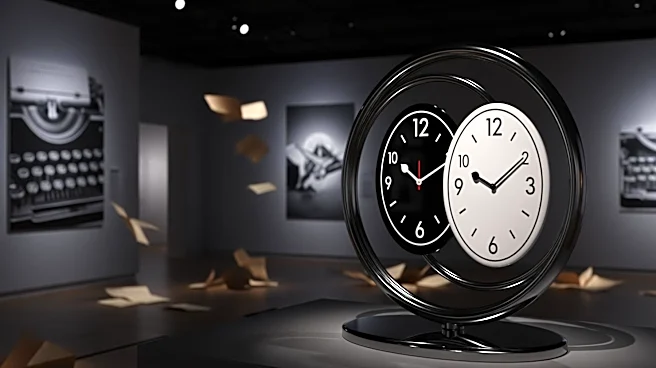
themes, particularly the concept of time as experienced by the Tralfamadorians, who perceive all moments simultaneously. The exhibition will delve into Vonnegut's World War II experiences, which heavily influenced the novel, and explore how these experiences relate to the Tralfamadorian philosophy. The museum has initiated a Kickstarter campaign to fund this project, which seeks to offer an experience akin to the PTSD of a World War II veteran, without the trauma of war.
Why It's Important?
This exhibition is significant as it not only honors Kurt Vonnegut's literary legacy but also provides a platform for discussing the impacts of war and trauma. 'Slaughterhouse-Five' is considered a seminal work on PTSD, and the exhibit could foster greater understanding of this condition among veterans and the general public. By exploring the philosophical questions posed in the novel, the exhibit may also encourage visitors to reflect on concepts of time, memory, and free will. This initiative highlights the ongoing relevance of Vonnegut's work in contemporary discussions about mental health and the human experience.
What's Next?
The success of the Kickstarter campaign will determine the scale and scope of the Tralfamadore exhibit. If funded, the museum plans to create an interactive experience that challenges visitors' perceptions of time and reality. The exhibit could potentially lead to further educational programs and workshops at the museum, aimed at exploring the intersections of literature, history, and psychology. Additionally, the exhibit may inspire similar projects that use literature to address complex social and psychological issues.
Beyond the Headlines
Beyond its immediate educational goals, the Tralfamadore exhibit could influence how museums approach the presentation of literary works and historical events. By using immersive technology, the exhibit sets a precedent for how cultural institutions can engage audiences in new and meaningful ways. It also raises questions about the role of museums in addressing contemporary issues such as mental health and trauma, suggesting that literature can be a powerful tool for empathy and understanding.