








What's Happening?
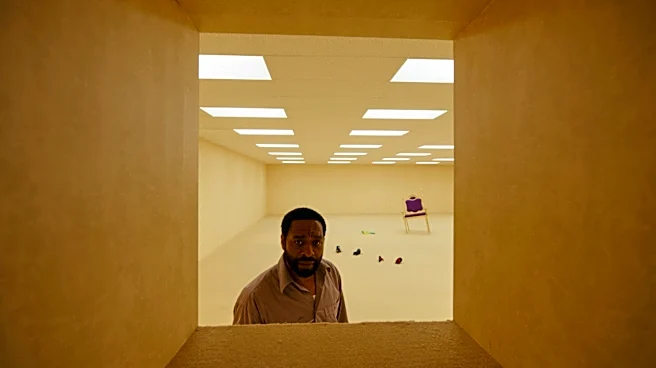
This weekend, the box office was led by two films directed by YouTubers, marking a significant moment for the platform's creators transitioning to mainstream cinema. 'Backrooms,' directed by Kane Parsons, topped the charts with an estimated $81 million
in domestic earnings. The film is an expansion of Parsons' YouTube series featuring eerie found footage of a mysterious office space. This marks the largest opening for indie studio A24, surpassing its previous record. Meanwhile, 'Obsession,' directed by Curry Barker, earned $26.4 million, showing an unusual growth in its third weekend, a rare feat in the film industry. Both films outperformed 'Star Wars: The Mandalorian and Grogu,' which grossed $24 million.
Why It's Important?
The success of 'Backrooms' and 'Obsession' underscores a growing trend where YouTube creators are making significant inroads into the film industry. This shift highlights the potential for digital content creators to leverage their online followings into box office success. The achievements of Parsons and Barker suggest a new pathway for filmmakers who start on platforms like YouTube, challenging traditional routes to Hollywood. This could lead to more opportunities for digital creators and influence how studios scout for new talent, potentially reshaping the entertainment landscape.
What's Next?
The success of these films may encourage more YouTubers to pursue filmmaking, potentially leading to a surge in similar projects. Studios might increasingly look to digital platforms for fresh talent, altering the dynamics of film production and distribution. Additionally, the performance of 'Backrooms' and 'Obsession' could inspire other content creators to explore feature-length projects, further blurring the lines between digital and traditional media.
Beyond the Headlines
This development raises questions about the evolving nature of celebrity and influence in the digital age. As YouTubers transition to mainstream media, it challenges the traditional gatekeeping of Hollywood and democratizes content creation. This shift could also impact how audiences engage with media, as they may become more inclined to support creators they have followed online, fostering a more direct relationship between filmmakers and their audiences.