


What's Happening?
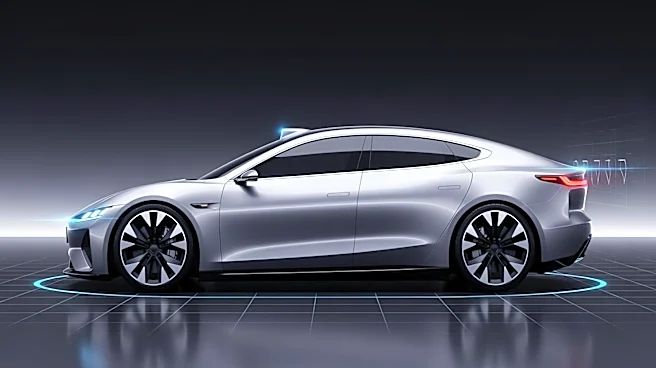
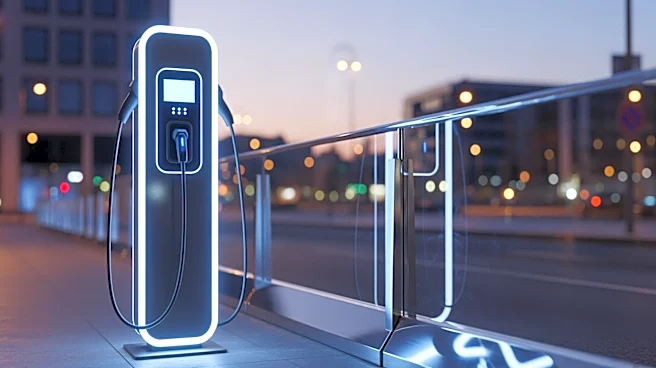
Electric vehicle manufacturers like Rivian, Lucid Motors, and Scout Motors are facing challenges due to state dealership-franchise laws in the US, which restrict their ability to sell directly to consumers. These laws, established decades ago, were designed
to protect traditional automakers and their franchised dealers. However, they now pose obstacles for newer EV companies that prefer direct sales to control pricing and educate consumers. The laws vary by state, creating a complex and often restrictive retail environment for EV makers.
Why It's Important?
The restrictions imposed by dealership-franchise laws highlight the regulatory challenges faced by the electric vehicle industry in the US. These laws can hinder the growth of EV companies by complicating the sales process and limiting consumer access to electric vehicles. As the demand for EVs increases, there is a growing need for regulatory reform to support the industry's expansion and ensure that consumers have access to a wider range of vehicle options. The outcome of this issue could significantly impact the competitiveness of US-based EV manufacturers in the global market.
What's Next?
EV manufacturers are likely to continue advocating for changes to dealership-franchise laws to facilitate direct sales. Legal challenges, such as Rivian's lawsuit in Ohio, may set precedents for other states and influence future legislation. As the electric vehicle market evolves, there may be increased pressure on lawmakers to modernize these regulations to better align with the needs of the industry and consumers. The resolution of this issue could play a crucial role in shaping the future of the US automotive market.