







What's Happening?
The WNBA landscape is set for significant changes in the 2026 season, with several teams undergoing major roster overhauls. The Dallas Wings, who finished at the bottom of the standings in 2025, have made strategic moves by drafting Azzi Fudd and acquiring
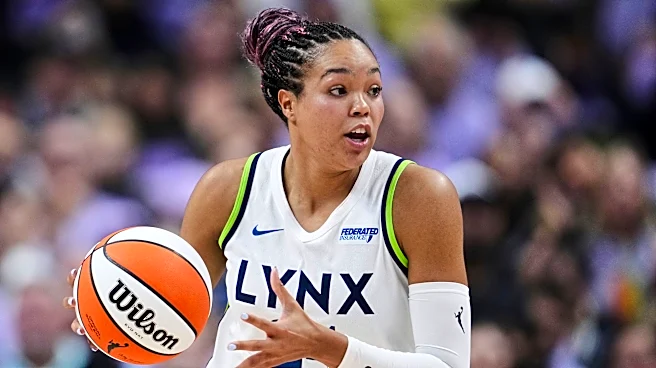
key players like Alanna Smith and Jessica Shepard. This positions them as potential playoff contenders. Meanwhile, the Chicago Sky have retooled their lineup around Kamilla Cardoso, adding experienced players such as Skylar Diggins and Azurá Stevens, aiming for a stronger season. The Los Angeles Sparks have focused on veteran talent, re-signing Kelsey Plum and adding Nneka Ogwumike, which could enhance their playoff prospects. Conversely, the Phoenix Mercury and Minnesota Lynx face challenges. The Mercury, having lost key players like Satou Sabally, may struggle to compete with top teams, while the Lynx, despite a strong 2025 season, are dealing with injuries and player departures, potentially impacting their performance.
Why It's Important?
These roster changes could significantly impact the competitive balance in the WNBA. Teams like the Dallas Wings and Chicago Sky are poised to improve their standings, which could lead to more dynamic and unpredictable playoff scenarios. The focus on veteran talent by the Los Angeles Sparks suggests a strategy to leverage experience for immediate success. However, the challenges faced by the Phoenix Mercury and Minnesota Lynx highlight the volatility and unpredictability of team dynamics in professional sports. These developments could influence fan engagement, ticket sales, and overall league viewership, as teams strive to build competitive and entertaining rosters.
What's Next?
As the 2026 season approaches, teams will continue to refine their strategies and integrate new players into their systems. The performance of newly acquired players and the recovery of injured stars like Napheesa Collier will be critical in determining the success of teams like the Minnesota Lynx. Fans and analysts will closely watch how these changes translate into on-court performance, potentially reshaping the playoff landscape. The league's ability to maintain competitive balance and excitement will be crucial for its growth and popularity.