

What's Happening?
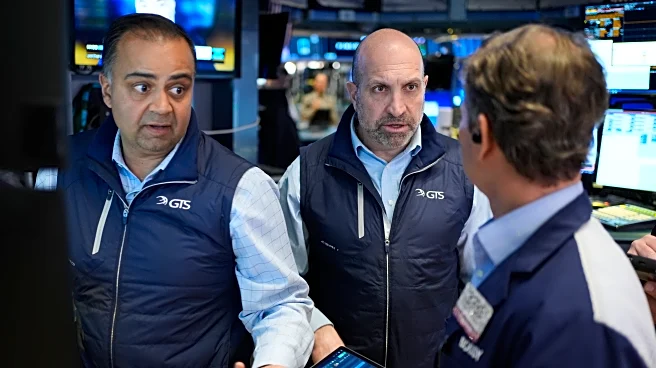
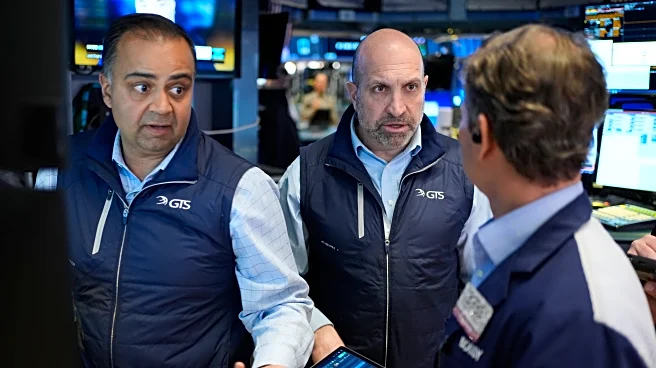
Recent reports have surfaced suggesting potential insider trading linked to U.S. military actions against Iran. On a Monday morning, a significant volume of trades occurred on the S&P 500 e-Mini futures and oil markets, coinciding with President Trump's
announcement to de-escalate threats against Iran. This trading activity, which involved contracts valued at $580 million, was notably higher than average, raising suspicions of insider knowledge. Additionally, traders on the prediction-market website Polymarket have reportedly profited from well-timed bets on U.S. and Israeli military actions, suggesting the use of insider information. These developments have prompted concerns about the integrity of financial markets and the potential for individuals to profit from sensitive government actions.
Why It's Important?
The allegations of insider trading in connection with military decisions have significant implications for market integrity and public trust. If individuals are using confidential government information to make financial gains, it undermines the fairness of financial markets and could lead to increased regulatory scrutiny. This situation also highlights potential conflicts of interest, especially given the involvement of political figures and their connections to financial platforms like Polymarket. The ability to profit from government actions poses ethical concerns and could incentivize manipulation of political decisions for financial gain, affecting both domestic and international relations.
What's Next?
In response to these allegations, there may be increased calls for regulatory reforms to prevent insider trading related to government actions. Legislative measures could be introduced to restrict betting on government decisions, as suggested by Sen. Chris Murphy. Additionally, financial regulatory bodies like the SEC may face pressure to investigate and address these trading activities. The outcome of these investigations could lead to policy changes aimed at enhancing transparency and accountability in financial markets, particularly concerning trades linked to sensitive political events.
Beyond the Headlines
The situation raises broader questions about the intersection of politics and finance, particularly the ethical implications of profiting from geopolitical tensions. It also underscores the challenges of regulating prediction markets and the potential for these platforms to influence political outcomes. The involvement of high-profile political figures in these markets could further complicate efforts to ensure fair and transparent trading practices. As the story unfolds, it may prompt a reevaluation of the role of financial markets in political decision-making and the need for stronger safeguards against conflicts of interest.