



What's Happening?
Shell is expected to report significantly higher profits from its trading desks due to market volatility triggered by the Iran crisis. The surge in energy commodity markets has driven up trading results, particularly in Shell's chemicals and products
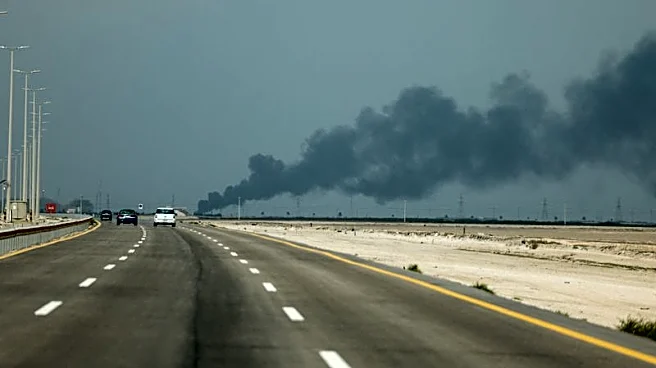
unit. Despite the trading windfall, Shell anticipates lower gas production due to the impact of the Middle East conflict on its assets in Qatar. Iran's retaliation to US-Israeli aggression has disrupted energy flows, affecting Shell's operations. The company predicts earnings to soar in the first quarter, but warns of reduced gas output due to damage at the Ras Laffan LNG complex in Qatar.
Why It's Important?
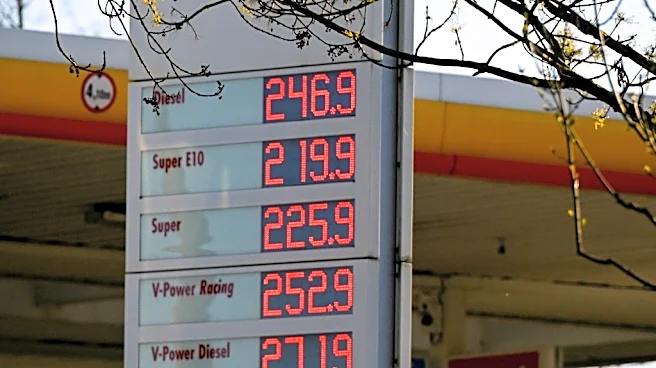
Shell's increased trading profits amid geopolitical tensions highlight the volatility and risks in global energy markets. The situation underscores the impact of international conflicts on energy supply chains and market prices. Shell's ability to capitalize on market fluctuations demonstrates the strategic importance of trading operations in mitigating risks and maximizing profits. However, the reduced gas output due to geopolitical disruptions poses challenges for Shell's production capabilities and may affect its long-term supply commitments. The developments also emphasize the interconnectedness of global energy markets and the potential for geopolitical events to influence corporate earnings and industry dynamics.
What's Next?
Shell will need to navigate the ongoing geopolitical tensions and their impact on energy production and trading operations. The company may seek to optimize its trading strategies to mitigate risks and capitalize on market opportunities. Additionally, Shell's collaboration with governments to address the oil and gas supply crisis will be crucial in ensuring energy security and stability. The reopening of the strait of Hormuz during the ceasefire period may provide temporary relief, but Shell will need to monitor developments closely to adapt its operations and strategies accordingly.