





What's Happening?
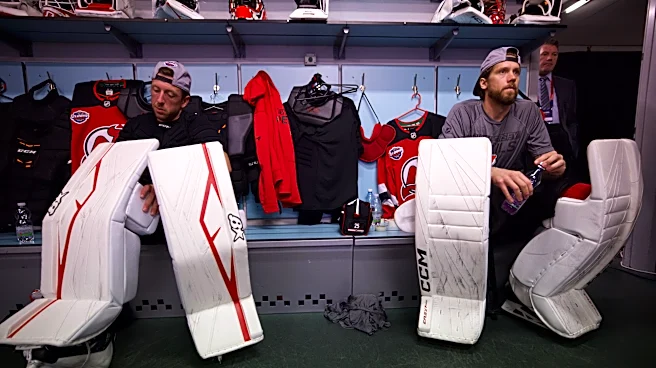
Claude Lemieux, a four-time Stanley Cup champion, passed away at the age of 60. His family announced that his brain will be donated to the UNITE Brain Bank at the Boston University CTE Center. This decision aims to contribute to research on the long-term
effects of repetitive head impacts and traumatic brain injury. Lemieux, who played 21 seasons in the NHL, was found deceased at a furniture store he owned in Lake Park, Florida. The family emphasized that this donation is a gift to science and future generations, and no conclusions should be drawn about any diagnosis at this time. Lemieux was known for his competitive nature and significant contributions to the teams he played for, including the Montreal Canadiens, New Jersey Devils, Colorado Avalanche, and others.
Why It's Important?
The donation of Claude Lemieux's brain to CTE research highlights the ongoing concern about the impact of head injuries in contact sports like hockey. Chronic Traumatic Encephalopathy (CTE) is a degenerative brain disease found in athletes, military veterans, and others with a history of repetitive brain trauma. This research could lead to better understanding and prevention strategies for CTE, potentially influencing safety protocols in sports. The family's decision to publicly associate Lemieux's name with this research may encourage other athletes to contribute to scientific studies, fostering a culture of transparency and awareness about the risks associated with sports-related head injuries.
What's Next?
The findings from the research on Lemieux's brain could contribute to broader studies on CTE, potentially impacting how sports leagues address player safety. The NHL and other sports organizations may face increased pressure to implement stricter safety measures and provide better support for athletes dealing with the long-term effects of head injuries. Additionally, the public acknowledgment of Lemieux's donation may inspire other families to consider similar contributions, further advancing research efforts. The ongoing dialogue about mental health and athlete safety is likely to continue, with potential policy changes in sports governance.
Beyond the Headlines
The decision to donate Lemieux's brain also touches on the sensitive topic of mental health and suicide. The family's request for compassionate discussion around Lemieux's death underscores the complexity of mental health issues and the need for supportive resources. This event may prompt broader conversations about mental health support for athletes, both during and after their careers. The availability of resources like the Suicide & Crisis Lifeline highlights the importance of accessible mental health services for individuals in crisis.