


What's Happening?
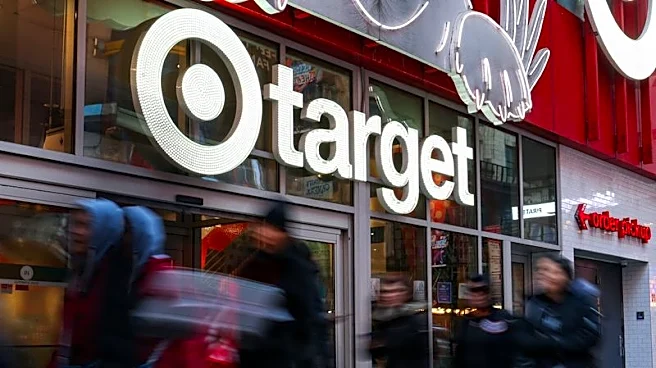
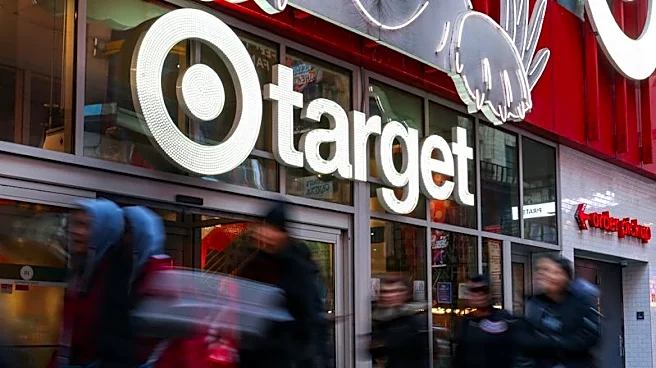
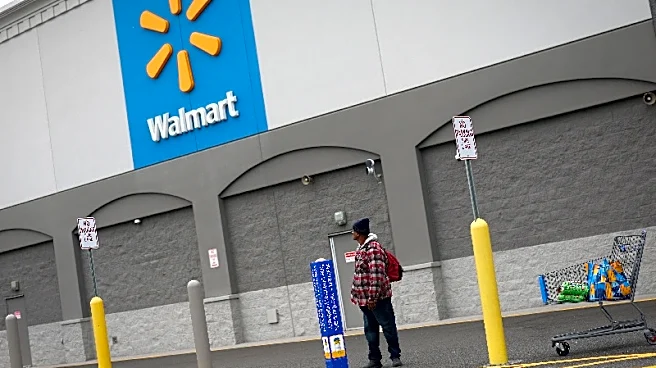
Retail media is undergoing a transformation, with industry experts debating its current state and future potential. While Amazon remains a dominant force, generating significant revenue from retail media, other retailers like Walmart and Target are also
expanding their presence in this space. The focus is shifting from traditional sponsored product ads to a more integrated approach that includes offsite spending and omnichannel reach. This evolution is driven by the need for better execution, investment, and measurement. Industry leaders argue that the next phase of retail media will be defined by loyalty-driven identity and measurable real-world impact, rather than just e-commerce scale.
Why It's Important?
The shift in retail media strategy highlights the growing importance of omnichannel marketing and the need for retailers to adapt to changing consumer behaviors. As more retailers invest in their media networks, the landscape is becoming more competitive, offering brands new opportunities to reach consumers across multiple platforms. This evolution could lead to increased advertising spending and a more diverse range of marketing strategies. However, it also presents challenges, such as the need for better measurement and execution to ensure that retail media delivers value to both retailers and brands.
What's Next?
As retail media continues to evolve, retailers will need to focus on integrating their media networks with other marketing channels to maximize their reach and impact. This may involve investing in new technologies and partnerships to enhance their capabilities. Additionally, the industry will need to address concerns about ad relevance and consumer experience to maintain trust and engagement. The success of retail media will depend on its ability to deliver measurable results and adapt to the changing needs of both consumers and brands.