
What's Happening?
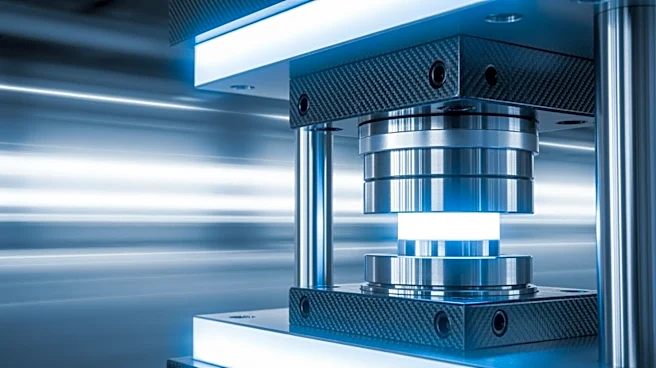
The global grid casting machine market is set to experience significant growth from 2026 to 2035, driven by the increasing demand for lightweight, high-conductivity metal components. This growth is fueled
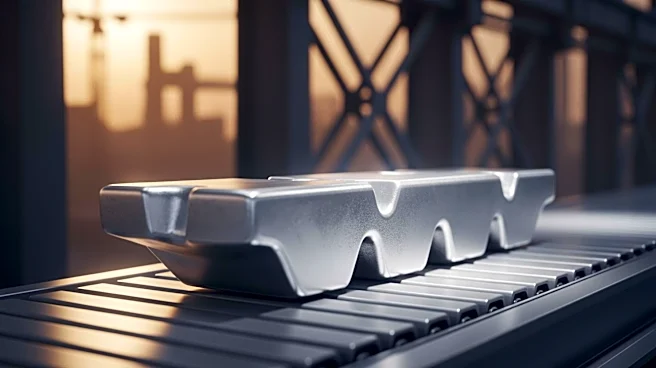
by industrial decarbonization and the need for advanced grid casting machines in sectors such as automotive, construction, and electrical infrastructure. The market is expected to grow at a compound annual growth rate (CAGR) of approximately 4.8%, with the aluminum segment leading due to its application in automotive and aerospace industries. The demand for copper and alloy casting is also rising, supported by investments in electrical grid modernization and renewable energy transmission. The market is characterized by a shift towards continuous casting technologies that improve yield and reduce energy consumption.
Why It's Important?
The expansion of the grid casting machine market is crucial for several industries, particularly automotive and aerospace, which are increasingly relying on lightweight materials to enhance fuel efficiency and reduce emissions. The growth in demand for copper and alloy casting machines is indicative of the global push towards renewable energy and the modernization of electrical grids, which are essential for sustainable development. This market growth also reflects broader economic trends, such as urbanization and the shift towards electric vehicles, which require advanced metal components. The development of more efficient casting technologies will likely lead to cost savings and environmental benefits, aligning with global sustainability goals.
What's Next?
As the market evolves, manufacturers are expected to focus on integrating digital technologies and automation into casting machines to enhance efficiency and reduce operational costs. The demand for flexible, smaller-scale machines capable of handling recycled materials is likely to increase, driven by circular economy mandates. Additionally, geopolitical factors and trade policies may influence market dynamics, particularly in regions like Asia-Pacific, which is a major hub for manufacturing and demand. Companies in the sector will need to navigate these challenges while capitalizing on opportunities presented by technological advancements and regulatory changes.