



What's Happening?
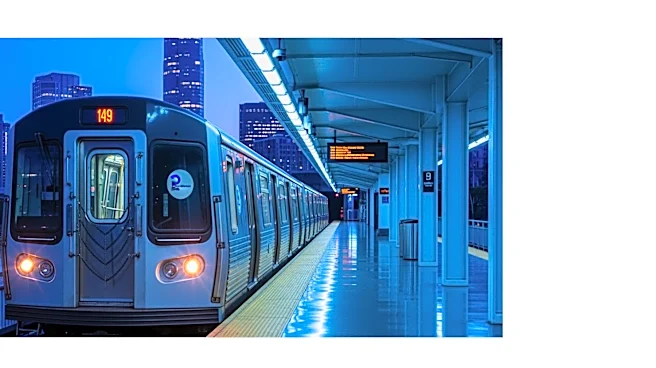
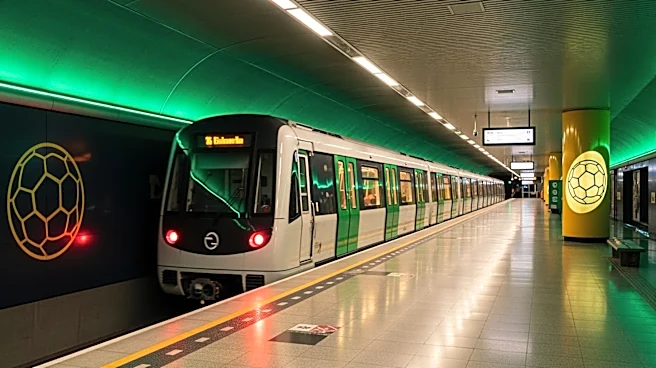
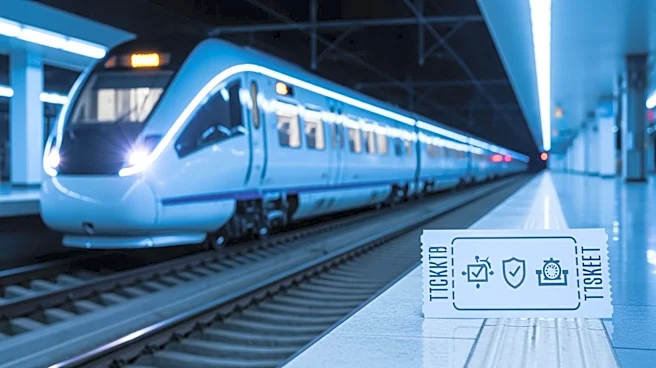
Philadelphia has announced a partnership with Airbnb to provide free SEPTA train rides for fans attending the 2026 FIFA World Cup matches hosted in the city. This initiative will cover all six matches, with free rides available from NRG Station starting
at halftime and continuing for two hours post-game. The plan aims to enhance accessibility and ensure a seamless experience for fans. In contrast, other host cities like Boston and New York/New Jersey face transportation challenges due to the distance of their stadiums from city centers and higher transit costs.
Why It's Important?
The transportation plan in Philadelphia highlights the city's commitment to providing a fan-friendly experience during the World Cup. By offering free rides, Philadelphia sets a precedent for accessibility and convenience, potentially increasing attendance and enhancing the city's reputation as a host. Meanwhile, the transportation issues in Boston and New York/New Jersey could deter fans due to higher costs and logistical challenges, impacting local economies and fan engagement. The contrasting approaches underscore the importance of effective transportation planning in large-scale events.
What's Next?
As the World Cup approaches, Philadelphia's transportation plan may serve as a model for other cities seeking to improve accessibility and fan experience. Stakeholders in Boston and New York/New Jersey may need to address their transportation challenges to avoid negative impacts on attendance and local businesses. Discussions between FIFA and local governments could lead to adjustments in transportation strategies to better accommodate fans and reduce costs.
Beyond the Headlines
The transportation strategies for the World Cup reflect broader issues in urban planning and public transit infrastructure. Philadelphia's proactive approach may influence future event planning, emphasizing the need for collaboration between public and private sectors. The challenges faced by other cities highlight the ongoing debate over public transit funding and the role of major events in shaping urban development priorities.