




What's Happening?
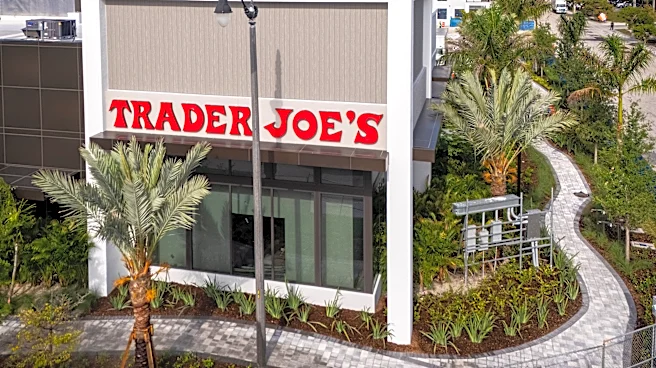
Trader Joe's is involved in a $7.4 million class-action settlement following allegations that the grocery chain violated the Fair and Accurate Credit Transactions Act (FACTA). The lawsuit, initiated by plaintiff Brian Keim, claims that some Trader Joe's stores
printed transaction receipts displaying the first six and last four digits of customers' credit or debit card numbers, potentially exposing them to identity theft. Although no identity theft incidents have been reported, the settlement aims to resolve the issue without further litigation. Customers who made purchases between March 5, 2019, and July 19, 2019, and received such receipts are eligible to file claims for a portion of the settlement, estimated at around $102 per claimant. The deadline for filing claims is June 9, with a court hearing scheduled for August to approve the settlement.
Why It's Important?
This settlement highlights the importance of consumer privacy and the legal obligations businesses have under FACTA to protect customer information. The case underscores the potential financial and reputational risks companies face when failing to comply with privacy laws. For Trader Joe's, settling the lawsuit helps avoid prolonged litigation and potential damage to its brand image. For consumers, the case serves as a reminder of the importance of monitoring financial transactions and being aware of privacy rights. The outcome of this settlement could influence how other retailers handle customer data and receipts, potentially leading to stricter compliance measures across the industry.
What's Next?
The next step involves the court's approval of the settlement, with a hearing set for August. If approved, eligible claimants will receive their payments within 10 business days, barring any appeals. Trader Joe's may need to implement changes to its receipt printing practices to ensure compliance with FACTA and prevent future violations. The case could prompt other retailers to review and update their own practices to avoid similar legal challenges. Additionally, consumer advocacy groups may use this case to push for stronger enforcement of privacy laws and greater consumer protection measures.