



What's Happening?
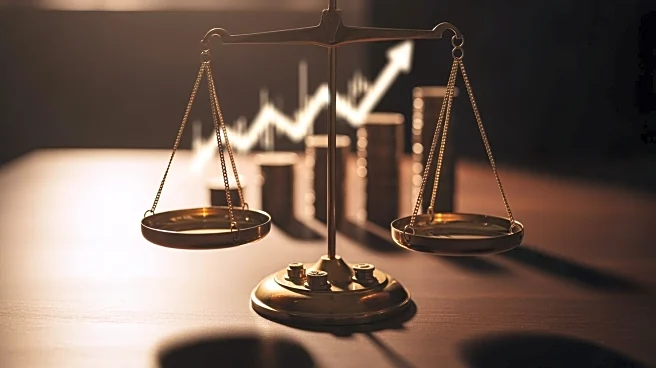
In December 2025, U.S. inflation increased by 0.3%, marking a 2.7% rise from the previous year. This inflationary trend is attributed to various factors, including increased costs of electricity, groceries, and clothing. The data, reported by NBC News, highlights ongoing economic pressures affecting consumers. Despite the Federal Reserve's efforts to manage inflation, the cost of living continues to rise, impacting household budgets and consumer spending. The report underscores the challenges faced by the U.S. economy in balancing growth with inflation control.
Why It's Important?
The rise in inflation has significant implications for the U.S. economy and its stakeholders. Higher inflation erodes purchasing power, making it more difficult for consumers to afford
basic necessities. This can lead to decreased consumer confidence and spending, which are critical drivers of economic growth. Additionally, persistent inflation may prompt the Federal Reserve to adjust interest rates, affecting borrowing costs for businesses and individuals. The situation highlights the need for effective monetary policies to stabilize prices and support economic recovery.
What's Next?
The Federal Reserve may consider further interest rate adjustments to curb inflation and stabilize the economy. Policymakers will need to monitor economic indicators closely to determine the appropriate course of action. Businesses and consumers may also need to adapt to the changing economic environment by adjusting their spending and investment strategies. The coming months will be crucial in determining the trajectory of inflation and its impact on the U.S. economy.