





What's Happening?
Artificial intelligence (AI) is rapidly transforming the insurance industry, influencing underwriting, claims, risk selection, and customer service. The expanding use of AI is reshaping the risk landscape, with implications for cybersecurity, data privacy,
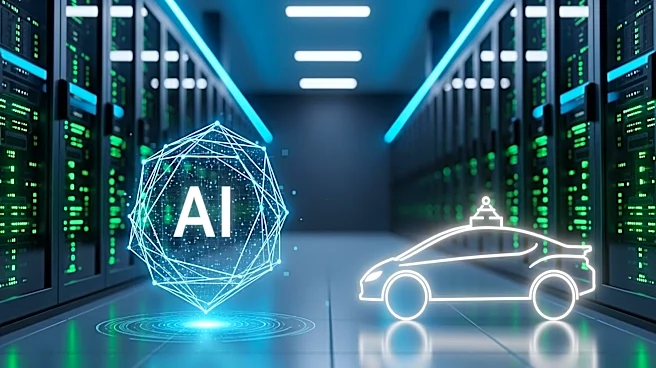
and autonomous systems. Public reports of AI incidents highlight potential risks, including those initiated by cybercriminals or human error. The rise of data centers, essential for supporting AI, presents additional risks such as power failures and water consumption. Autonomous vehicles, reliant on AI, pose new challenges for accident liability and insurance products. Insurers must continuously reassess exposures and refine coverage frameworks to navigate these emerging risks.
Why It's Important?
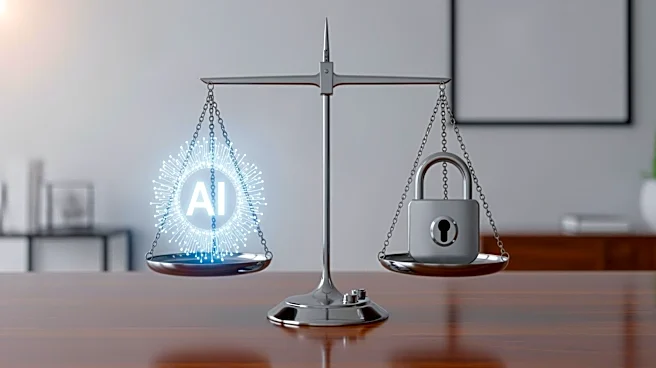
The integration of AI into various industries, including insurance, presents both opportunities and challenges. While AI can enhance efficiency and decision-making, it also introduces new risks that insurers must manage. The potential for systemic liability exposure, as seen in recent data privacy incidents, underscores the need for robust risk management strategies. The growth of data centers and autonomous vehicles further complicates the risk landscape, requiring insurers to adapt their products and services. Understanding and addressing these emerging risks is crucial for insurers to remain competitive and protect their clients in an increasingly digital world.
What's Next?
Insurers will need to develop new risk assessment models and coverage options to address the unique challenges posed by AI, data centers, and autonomous vehicles. This may involve collaborating with technology companies to better understand the risks associated with these innovations. Additionally, insurers may need to invest in advanced analytics and cybersecurity measures to protect against potential threats. As the adoption of AI and related technologies continues to grow, insurers must remain vigilant and proactive in identifying and mitigating emerging risks to ensure the stability and resilience of their operations.