



What's Happening?
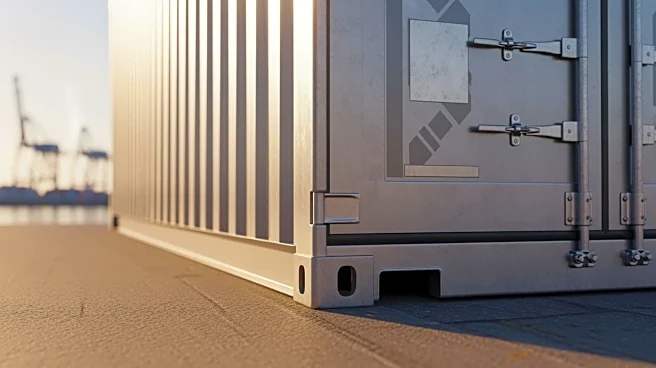
Finance Minister Nirmala Sitharaman has announced a new container manufacturing scheme with a budgetary allocation of Rs 10,000 crore over five years. The initiative aims to create a globally competitive container manufacturing ecosystem in India. The scheme focuses on promoting environmentally sustainable cargo movement through the enhancement of construction and infrastructure equipment (CIE). Additionally, the government plans to establish new Dedicated Freight Corridors and operationalize 20 new National Waterways over the next five years. The first of these, NW-5 in Odisha, will connect mineral-rich areas to major ports. A ship-repair ecosystem will also be developed in Varanasi and Patna. Furthermore, a Coastal Cargo Promotion Scheme will be launched
to encourage a shift from rail and road to inland waterways and coastal shipping, aiming to increase their share from 6% to 12% by 2047. Training institutes will be established as Regional Centres of Excellence to develop the necessary manpower.
Why It's Important?
This initiative is significant as it aims to strengthen India's manufacturing capabilities and promote sustainable transportation methods. By focusing on container manufacturing and enhancing infrastructure, the scheme could reduce dependency on imports and boost domestic production. The development of new freight corridors and waterways is expected to improve logistics efficiency, reduce transportation costs, and support economic growth. The shift towards inland waterways and coastal shipping could alleviate pressure on road and rail networks, leading to environmental benefits and reduced congestion. The establishment of training centers will also create job opportunities and enhance skill development, particularly benefiting youth in regions along the waterways.
What's Next?
The implementation of this scheme will likely involve collaboration between government agencies, private sector players, and international partners. The focus will be on setting up the necessary infrastructure and facilities to support container manufacturing and the development of freight corridors and waterways. Stakeholders in the logistics and shipping industries may respond by aligning their strategies with the government's vision, potentially leading to increased investments and partnerships. Monitoring the progress of these initiatives will be crucial to ensure timely execution and realization of the intended benefits.