
What's Happening?
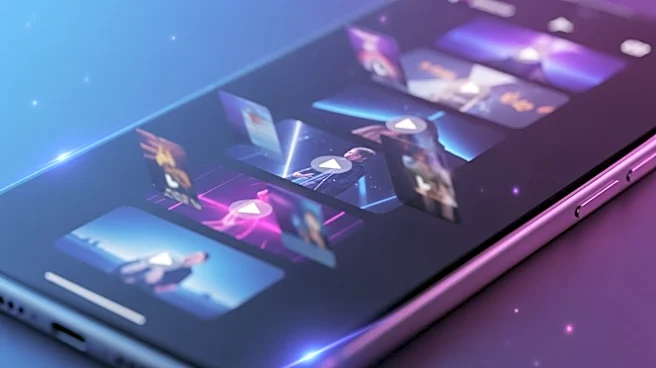
Spotify is marking its 20th anniversary by launching a new feature called 'Party of the Year(s)', which allows users to explore their music streaming history on the platform. This initiative is similar
to Spotify's popular Wrapped feature, but it extends further back, offering users insights from their very first day on Spotify. The package includes data such as the first song streamed, the total number of songs listened to, and an All-Time Top Songs Playlist featuring the top 120 songs with their play counts. The feature is designed to be shared on social media, with custom share cards available for users. According to Marc Hazan, Spotify's SVP of marketing and partnerships, the campaign aims to celebrate users' experiences rather than the company's achievements, focusing on the personal soundtracks that Spotify has helped create over the years.
Why It's Important?
This initiative underscores the growing trend of personalization and data-driven engagement in the digital music industry. By offering users a nostalgic look at their music history, Spotify strengthens its connection with its audience, fostering brand loyalty and user engagement. The feature also highlights the importance of data in enhancing user experience, as it allows individuals to reflect on their personal music journeys. This approach not only celebrates Spotify's milestone but also reinforces its role in shaping music consumption habits. For the music industry, such personalized experiences can drive user retention and attract new subscribers, as they offer a unique value proposition that goes beyond mere music streaming.
What's Next?
While there are no immediate plans for a 25th-anniversary celebration, Spotify's focus on user-centric campaigns suggests that future initiatives will continue to prioritize personal engagement and data insights. The success of 'Party of the Year(s)' could inspire similar features or enhancements to existing ones, like Wrapped, to maintain user interest and engagement. As Spotify continues to innovate, it may explore new ways to integrate user data with emerging technologies, potentially offering even more personalized and interactive experiences. Stakeholders in the music industry will likely watch these developments closely, as they could influence broader trends in digital music consumption and marketing strategies.