
What's Happening?
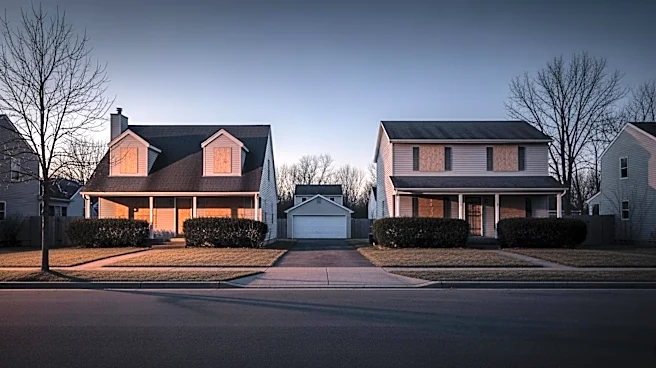
In April 2026, U.S. foreclosure activity showed a decline from the previous month but remained higher than the levels reported a year earlier. A total of 42,430 properties faced foreclosure filings, including
default notices, scheduled auctions, or bank repossessions. This represents an 8% decrease from March 2026 but an 18% increase compared to April 2025. Delaware, South Carolina, and Florida were among the states with the highest foreclosure rates. The data indicates a gradual normalization in the housing market following pandemic-era lows, with lenders continuing to process distressed inventory. Despite the increase in foreclosure activity, strong homeowner equity and tight underwriting standards have limited widespread foreclosure pressure.
Why It's Important?
The trends in foreclosure rates provide insights into the health of the U.S. housing market and the broader economy. The increase in foreclosure activity compared to last year suggests that some homeowners are struggling with higher borrowing costs and affordability challenges. However, the decline from the previous month indicates a potential stabilization in the market. The data highlights the importance of monitoring foreclosure trends to assess market risks and identify investment opportunities. Lenders, investors, and policymakers will need to consider these trends when making decisions related to housing finance and economic policy.
What's Next?
As the housing market continues to adjust, stakeholders will closely watch foreclosure trends to gauge the impact of economic conditions on homeowners. Lenders may continue to work through distressed inventory, while policymakers could explore measures to support homeowners facing financial difficulties. The ongoing normalization of foreclosure activity may influence future housing market policies and strategies. Market analysts will likely use this data to forecast housing trends and identify areas of potential risk or opportunity.