






What's Happening?
As Memorial Day weekend approaches, U.S. consumers are experiencing significant price increases across various sectors, driven by a 3.8% rise in inflation in April compared to the previous year. This marks the highest annual rate since 2023, according
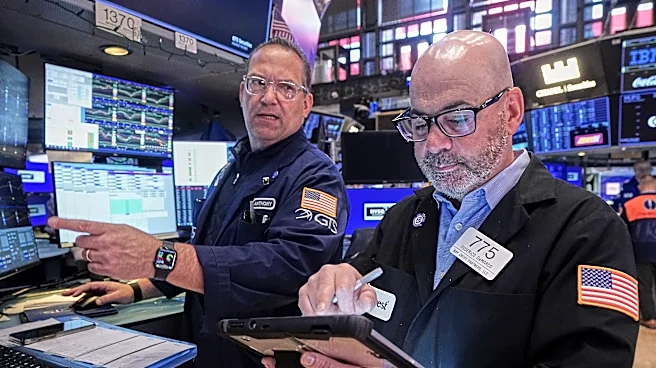
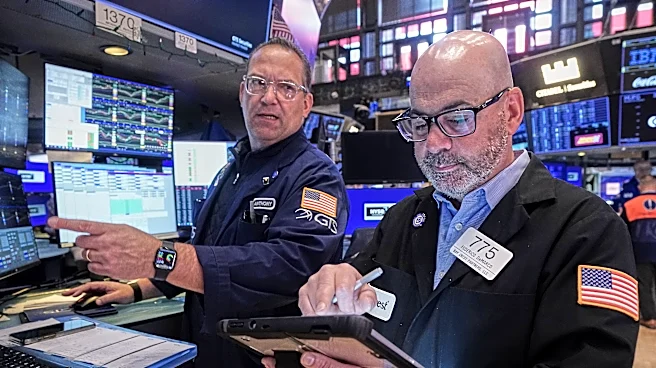
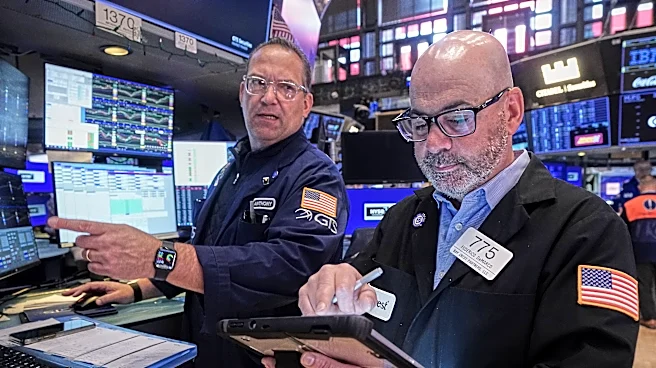
to federal government data. The surge in prices is particularly evident in travel, recreation, and food, impacting Americans' spending as they prepare for the holiday. The ongoing conflict in the Middle East has contributed to rising oil prices, further exacerbating inflationary pressures. Stephen Juneau, a senior U.S. economist at Bank of America, noted that consumers are likely to express dissatisfaction as they encounter higher costs at gas stations, airports, and grocery stores. Additionally, consumer sentiment has reached its lowest recorded level, as reported by the University of Michigan. Companies like E.l.f. Beauty and McDonald's have acknowledged the challenging environment, with the former rolling back some price increases to alleviate consumer strain.
Why It's Important?
The rising inflation and subsequent price increases have significant implications for the U.S. economy and consumers. As prices for essential goods and services climb, household budgets are strained, potentially reducing discretionary spending and impacting economic growth. The increase in travel and food costs during a major holiday weekend highlights the broader economic challenges faced by consumers. Businesses are also affected, as they navigate higher operational costs and potential shifts in consumer behavior. The situation underscores the interconnectedness of global events, such as the Middle East conflict, and domestic economic conditions. Policymakers and economists will need to monitor these developments closely to address inflationary pressures and support economic stability.
What's Next?
Looking ahead, consumers and businesses may need to adjust to a prolonged period of elevated prices if inflationary pressures persist. Companies might explore strategies to mitigate cost increases, such as optimizing supply chains or adjusting pricing models. Policymakers could consider measures to address inflation, such as monetary policy adjustments or targeted fiscal interventions. The ongoing geopolitical situation in the Middle East will likely continue to influence global oil prices, impacting inflation trends. Stakeholders across various sectors will need to remain vigilant and adaptable to navigate the evolving economic landscape.