
What's Happening?
The Philadelphia 76ers have implemented a strategy to restrict ticket sales for their upcoming second-round playoff series against the New York Knicks to fans residing in the greater Philadelphia area.
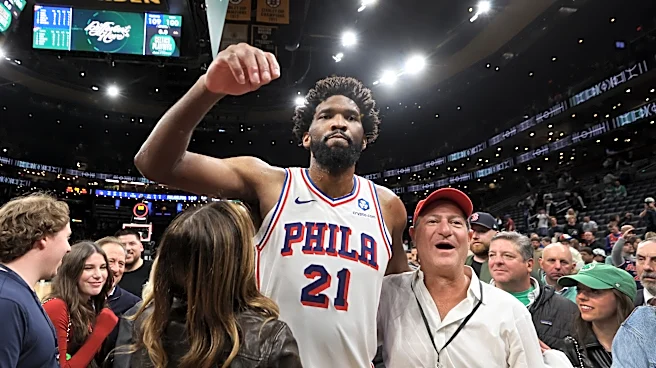
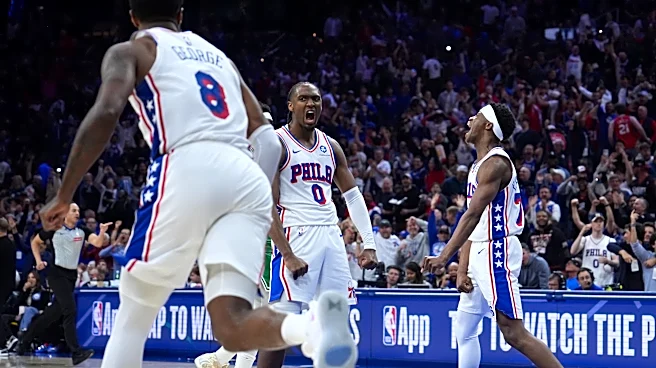
This decision aims to prevent a potential takeover by Knicks fans at the Sixers' home games. The restriction requires that the billing address for ticket purchases be within the Philadelphia area, with any purchases from outside this zone being canceled. This move follows a similar strategy used in 2024, where the Sixers' ownership bought over 2,000 tickets to keep them out of the hands of Knicks fans. The Sixers' decision comes after their victory over the Boston Celtics in the first round, where they overcame a 3-1 series deficit to win Game 7. Sixers superstar Joel Embiid has urged local fans not to sell their tickets, emphasizing the importance of home crowd support for the team's success.
Why It's Important?
The restriction on ticket sales is significant as it highlights the competitive nature of fan support in professional sports, particularly in high-stakes playoff scenarios. For the 76ers, maintaining a strong home-court advantage is crucial, as the presence of opposing fans can diminish the team's morale and impact game outcomes. This strategy also underscores the economic dynamics of sports events, where ticket sales and secondary markets play a significant role. By limiting ticket sales to local fans, the Sixers aim to ensure a supportive atmosphere that could enhance their performance. However, this move also raises questions about fan access and the potential for economic loss for those who might sell tickets at higher prices on secondary markets.
What's Next?
The effectiveness of the Sixers' ticket restriction strategy will be tested as the series progresses. Knicks fans are known for their persistence and may still find ways to attend the games through secondary markets. The Sixers will need to monitor the situation closely to maintain their home-court advantage. Additionally, the outcome of this strategy could influence other teams facing similar challenges in the future. The response from both fan bases and the broader sports community will be crucial in determining the long-term viability of such restrictions.