

What's Happening?
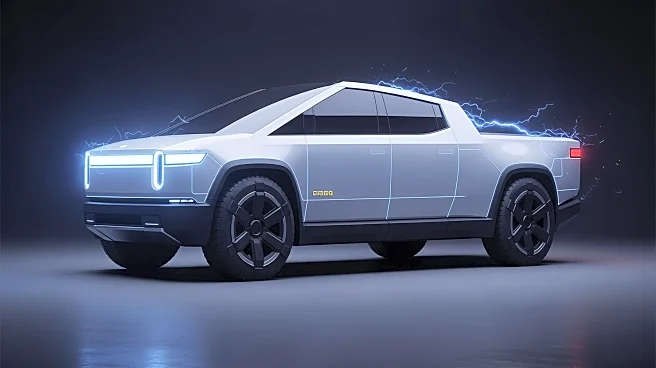
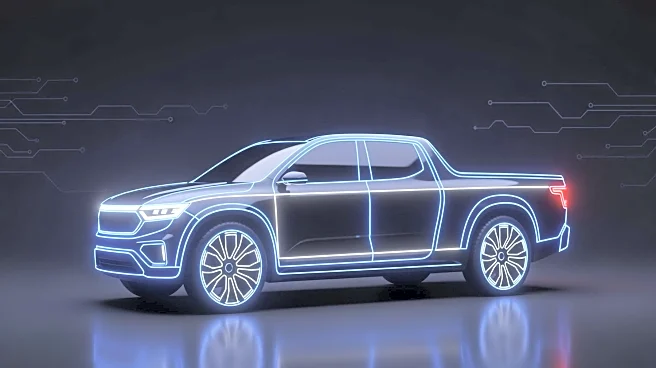
Ford Motor Company has announced its plans to launch a new generation of electric vehicles (EVs) featuring a 48-volt electrical architecture, a technology first commercialized by Tesla in the U.S. with its Cybertruck. This new system, which replaces the traditional 12-volt system, is expected to improve efficiency, increase electrical bandwidth, and reduce vehicle weight. Ford's new EV platform, dubbed the Universal Electric Vehicle (UEV), aims to make EVs as cost-effective as gas-powered vehicles by 2027. The company plans to introduce a $30,000 small electric pickup truck as part of this initiative. Ford's CEO, Jim Farley, has described this as a significant shift for the company, akin to the introduction of the Model T over a century ago.
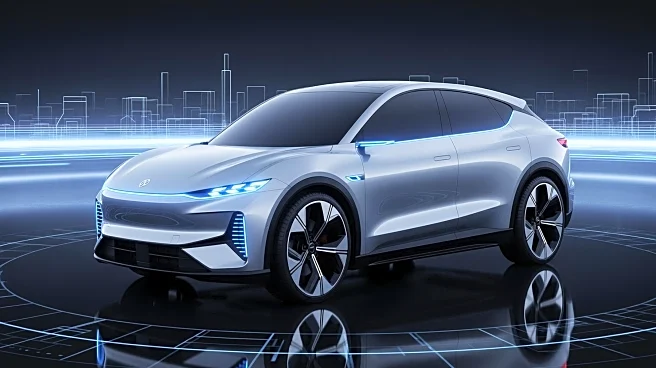
The new EVs will feature fewer parts, faster assembly times, and reduced production costs, which Ford hopes will lead to greater adoption despite a recent slowdown in U.S. EV sales.
Why It's Important?
Ford's move to adopt a 48-volt system and other innovations is a strategic effort to compete with Tesla and other emerging EV manufacturers, particularly from China. By reducing production costs and improving vehicle efficiency, Ford aims to make EVs more accessible to a broader market. This shift is crucial as the automotive industry faces increasing pressure to transition to sustainable energy sources. The success of Ford's new EV platform could influence other legacy automakers to adopt similar technologies, potentially accelerating the overall shift towards electric vehicles. Additionally, Ford's focus on affordability and efficiency could help it regain market share in the EV sector, which has been dominated by Tesla and other new entrants.
What's Next?
Ford plans to continue investing in its UEV platform, with a $5 billion commitment through 2027. The company will focus on integrating new technologies and improving manufacturing processes to achieve its cost and efficiency goals. As Ford rolls out its new EVs, it will likely face competition from other automakers also seeking to capture the growing EV market. The company's ability to deliver on its promises of affordability and efficiency will be critical in determining its success. Additionally, Ford's approach to EV production could set a precedent for other automakers, potentially leading to broader industry changes.