






What's Happening?
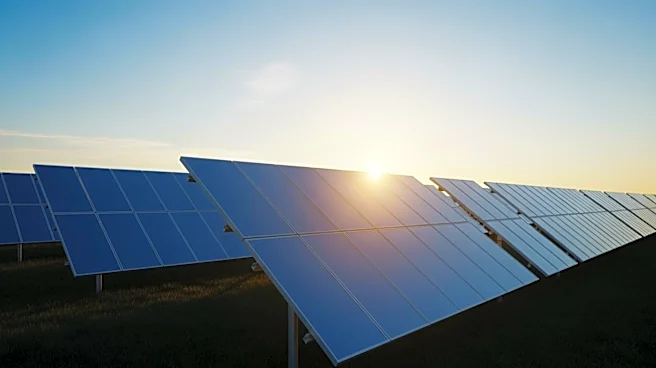
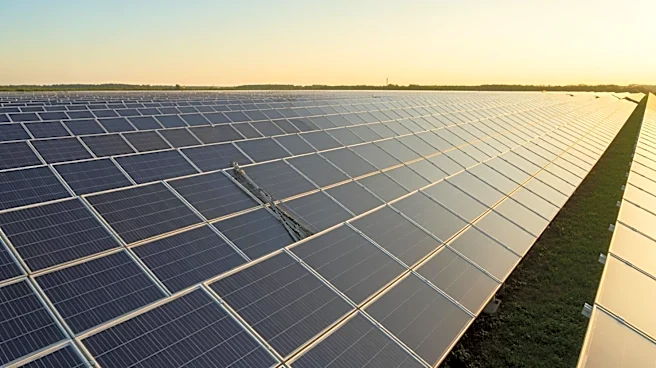
In the first quarter of 2026, solar and storage technologies accounted for 91% of all new power capacity added to the U.S. grid, according to a report by the Solar Energy Industries Association (SEIA) and Wood Mackenzie. The U.S. added 7.8 gigawatts of new solar capacity,
surpassing 6 million total solar installations. Despite political and regulatory pressures, solar remains the leading source of new electricity generation. However, 457 solar and storage projects are currently delayed due to permitting issues, which could lead to higher electricity prices. The report also notes a significant increase in solar procurements in utility resource planning, although growth is expected to flatten over the next five years due to these bottlenecks.
Why It's Important?
The dominance of solar and storage in new power capacity highlights a significant shift towards renewable energy in the U.S. This transition is crucial as electricity demand rises and gas supply issues persist. The ability of solar and storage to be deployed quickly and their insulation from fuel price fluctuations make them attractive options for utilities. However, the current permitting delays pose a risk to the industry's growth and could impact electricity prices. The trend also reflects a broader move by tech companies to secure renewable energy for data centers, indicating a growing intersection between technology and clean energy sectors.
What's Next?
The solar industry faces potential challenges if permitting delays continue, which could slow down the deployment of new projects. Stakeholders, including utilities and tech companies, may need to advocate for regulatory reforms to streamline the permitting process. Additionally, as the demand for electricity continues to grow, there may be increased pressure on policymakers to address these bottlenecks to ensure a stable and sustainable energy supply.