





What's Happening?
Carmen Perr, known as 'Carmen in the Garden,' appeared on CBS LA to promote the integration of home-grown herbs and plants into cooking as part of Earth Day celebrations. During her segment, she shared tips on how individuals can enhance their meals by
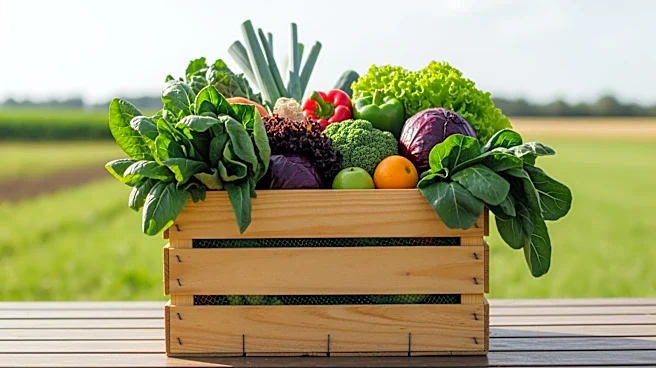
using ingredients sourced directly from their gardens. This initiative not only encourages sustainable living practices but also highlights the benefits of fresh, organic produce in daily diets. Carmen's approach aligns with the broader Earth Day message of environmental responsibility and personal health through sustainable practices.
Why It's Important?
The promotion of home-grown cooking by Carmen Perr underscores a growing trend towards sustainability and self-sufficiency in food production. By encouraging individuals to grow their own herbs and plants, this initiative supports environmental conservation efforts and reduces reliance on commercially produced goods, which often involve significant carbon footprints. Additionally, the use of fresh, organic ingredients can lead to healthier eating habits, potentially reducing health care costs and improving overall public health. This movement also empowers individuals to take control of their food sources, fostering a deeper connection with nature and promoting environmental stewardship.
What's Next?
As more people become aware of the benefits of home-grown cooking, there may be an increase in community gardens and urban farming initiatives. These efforts could be supported by local governments and organizations aiming to promote sustainable living. Educational programs and workshops on gardening and cooking with fresh produce might also become more prevalent, providing individuals with the skills needed to start their own gardens. Additionally, businesses in the gardening and home improvement sectors could see increased demand for products and services related to home gardening.
Beyond the Headlines
The movement towards home-grown cooking also raises questions about food security and access to fresh produce in urban areas. As more people adopt these practices, there could be a shift in how communities address food deserts and nutritional disparities. Furthermore, this trend may influence cultural attitudes towards food and cooking, encouraging a return to traditional methods of food preparation and preservation. The emphasis on sustainability and health could also inspire innovations in agricultural technology and urban planning, leading to more resilient and self-sufficient communities.