





What's Happening?
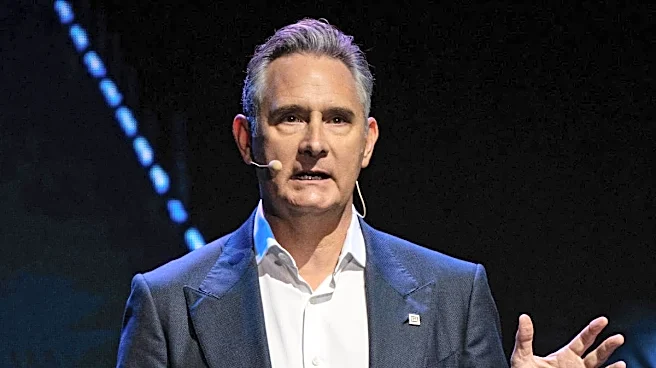
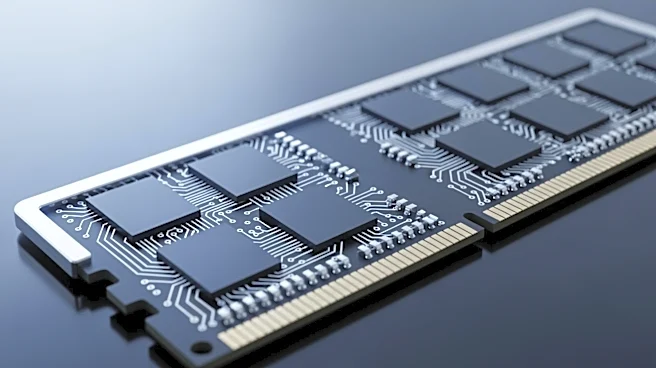
AMD's Global Vice President, David McAfee, announced that DDR5 memory prices are expected to take around two years to return to normal levels. This prediction comes amid a current memory shortage and increased demand from the AI market, which has absorbed
significant memory supply. The transition from DDR4 to DDR5 has seen a reduction in DDR4 capacity, while investments in DDR5 production have increased. Despite efforts by companies like Samsung and Micron to expand production capacity, the memory market's supply and demand cycles suggest a prolonged period before prices stabilize.
Why It's Important?
The prolonged high prices of DDR5 memory could impact various sectors reliant on this technology, including consumer electronics, data centers, and AI development. High memory costs may lead to increased production expenses for tech companies, potentially affecting product pricing and availability. This situation underscores the importance of strategic planning and investment in memory production to meet growing demand. The tech industry may need to explore alternative solutions or innovations to mitigate the impact of memory shortages and price fluctuations.
What's Next?
AMD and other industry players will likely continue to monitor market conditions and adjust their production strategies accordingly. The development of future standards, such as DDR6 and PCIe 6.0, will be crucial in determining the industry's direction and technological advancements. Companies may also need to collaborate with policymakers to address supply chain challenges and ensure a stable memory market. The outcome of these efforts will significantly influence the tech industry's growth and innovation capabilities.