




What's Happening?
On May 20, U.S. Treasury yields and oil prices experienced a decline as optimism grew regarding a potential deal between the U.S. and Iran to end the ongoing conflict in the Middle East. President Trump indicated that negotiations with Iran were nearing
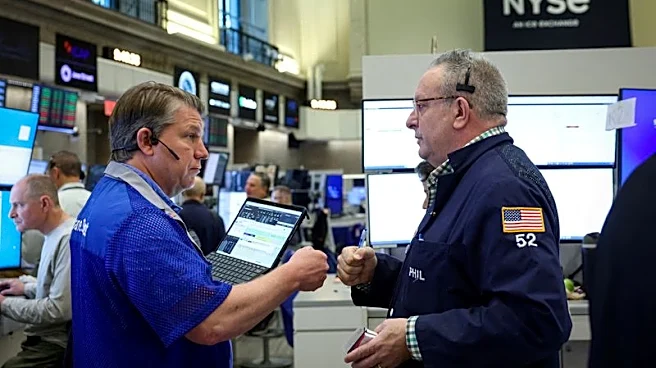
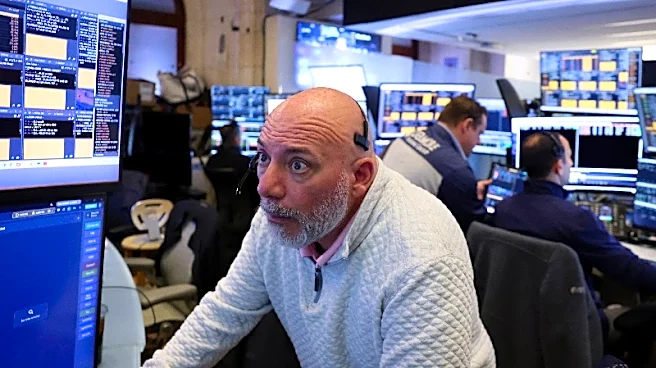
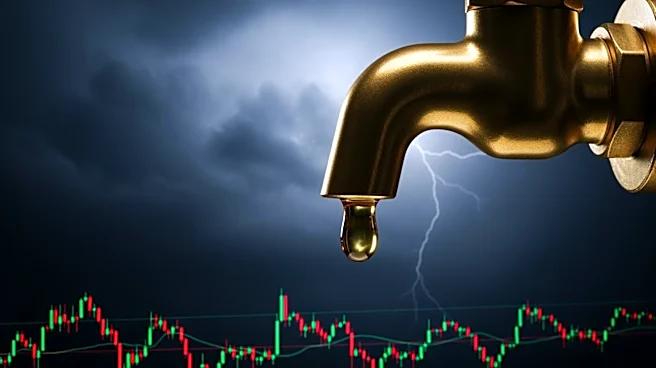
completion, although he cautioned about possible further attacks if Iran does not agree to a deal. This development led to a decrease in the U.S. dollar from a six-week high and a significant drop in oil prices, with U.S. crude falling by $5.89 to $98.26 per barrel and Brent crude dropping by $6.26 to $105.02. Concurrently, major U.S. stock indexes, particularly those involving chipmakers, saw gains ahead of Nvidia's quarterly results. The Nasdaq led the rise on Wall Street, with consumer discretionary stocks performing strongly among S&P 500 sectors.
Why It's Important?
The potential resolution of the conflict with Iran could have significant implications for global markets, particularly in terms of oil prices and inflation. A decrease in oil prices can alleviate inflationary pressures, which have been a concern for the Federal Reserve and other central banks. Lower inflation could reduce the need for aggressive interest rate hikes, which have been anticipated due to the war-driven inflation fears. The stock market's positive response, especially in the technology sector, reflects investor optimism about reduced geopolitical tensions and their impact on economic stability. However, the situation remains fluid, and the Federal Reserve's future actions will depend on the final outcome of the negotiations and their impact on the broader economy.
What's Next?
If a deal with Iran is reached, it could lead to a stabilization of oil prices and a potential easing of inflationary pressures. This might influence the Federal Reserve's monetary policy decisions, potentially reducing the likelihood of interest rate hikes. Investors and market analysts will closely monitor the situation for any official announcements or changes in the geopolitical landscape. Additionally, the performance of technology stocks, particularly those of chipmakers like Nvidia, will be watched as they are sensitive to changes in market sentiment and economic conditions.