



What's Happening?
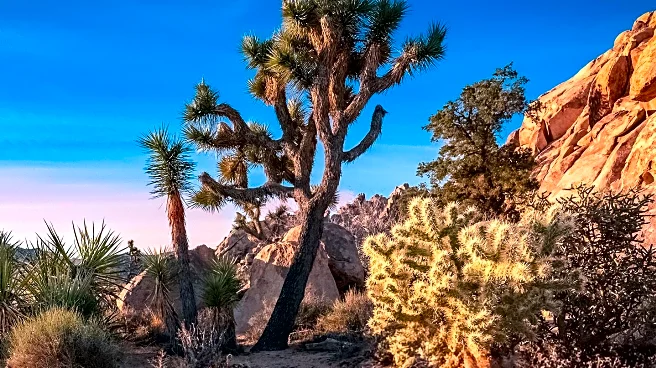
In the Los Angeles area, several desert hikes are available for nature enthusiasts to explore before the end of winter. The Devil’s Punchbowl Natural Area features a 1.1-mile Loop Trail that showcases massive sandstone formations shaped by tectonic activity. Visitors can start their hike near the Devil’s Punchbowl Nature Center, where they might encounter two resident ravens. Another option is the Saddleback Butte Peak Trail near Lancaster, a 3.8-mile trail that offers views of Joshua trees and ends at a mountain dating back 70 million years. Additionally, the Mormon Rocks Interpretive Trail in the San Bernardino National Forest provides a one-mile loop through historical sandstone formations. These trails offer a mix of moderate and easy hiking
experiences, with opportunities to observe unique geological features and local wildlife.
Why It's Important?
These hiking trails provide an opportunity for residents and visitors to connect with nature and explore the unique desert landscapes of Southern California. The trails not only offer recreational benefits but also serve as educational experiences, highlighting the region's geological history and biodiversity. Engaging with these natural environments can promote physical health and mental well-being, offering a respite from urban life. Furthermore, these trails contribute to local tourism, supporting nearby communities and businesses. The preservation and accessibility of such natural areas are crucial for fostering environmental awareness and appreciation among the public.
What's Next?
As the winter season progresses, these trails will continue to attract hikers seeking outdoor adventures. Local authorities and park services may organize cleanup efforts to maintain the pristine condition of these natural areas, especially in places like Mormon Rocks where illegal dumping has been an issue. Additionally, the reopening of the Devil’s Chair hike in the Devil’s Punchbowl area is anticipated after repairs from storm damage are completed. Continued promotion of these trails can enhance public engagement and support conservation efforts, ensuring these natural treasures remain accessible for future generations.