




What's Happening?
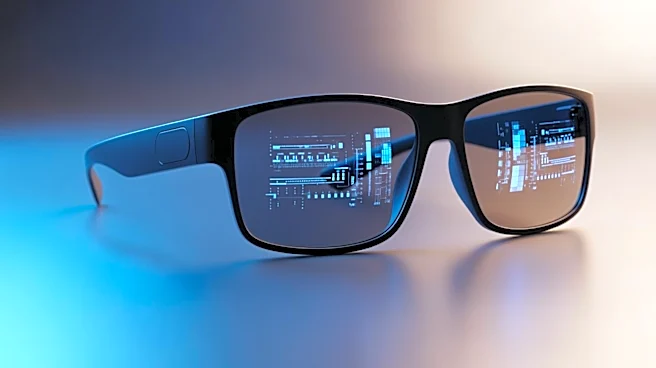
In 2026, several major technology companies are making significant strides in the augmented reality (AR) market with the introduction of new devices and partnerships. At the forefront is the ROG XREAL R1, a gaming-focused AR headset unveiled at CES, which
features a 240Hz micro-OLED display designed to provide ultra-smooth visuals for competitive gaming. Snap, in collaboration with Qualcomm, is moving towards launching consumer-friendly AR glasses, emphasizing social features and a familiar user experience. Apple is reportedly testing four different smart-glass designs, indicating a potential for multiple price points and niche models. Vuzix has highlighted the demand for waveguide optics in its Q1 2026 update, suggesting a strong supplier momentum. These developments indicate a shift in strategy among tech giants, aiming to bring AR technology into mainstream use.
Why It's Important?
The introduction of these AR devices is significant as it marks a pivotal moment in the evolution of consumer technology. The focus on gaming and social applications suggests that AR could soon become an integral part of everyday life, offering new ways to interact with digital content. For the tech industry, this represents a substantial market opportunity, with companies like Snap and Apple potentially setting new standards for AR hardware and software ecosystems. The partnerships and technological advancements could lead to more affordable and accessible AR solutions, broadening the consumer base. This shift could also impact developers, who may need to adapt to new platforms and user interfaces, ultimately influencing the types of applications and services available to consumers.
What's Next?
As these AR devices approach their anticipated launch dates, the tech industry is likely to see increased competition and innovation. Companies will need to address challenges such as user interface design, battery life, and privacy concerns to ensure widespread adoption. The success of these devices will depend on consumer reception and the ability of companies to deliver on their promises of seamless integration into daily life. Additionally, the development of a robust AR ecosystem, including apps and content, will be crucial in determining which companies emerge as leaders in this space. Stakeholders, including developers and component suppliers, will play a critical role in shaping the future of AR technology.