






What's Happening?
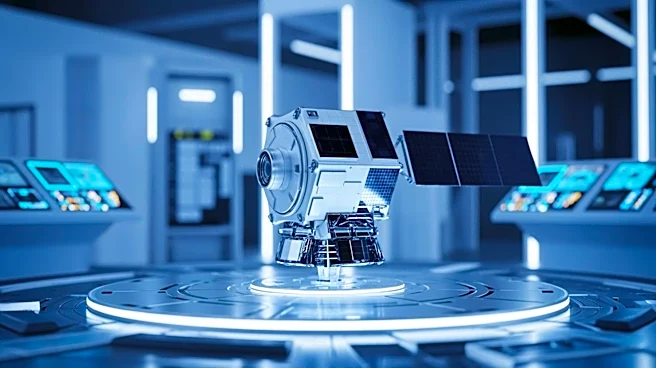
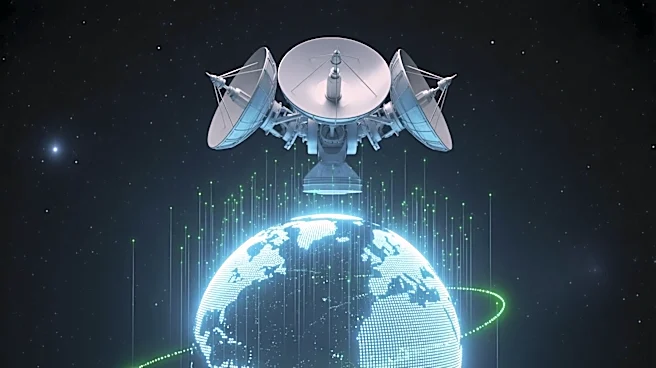
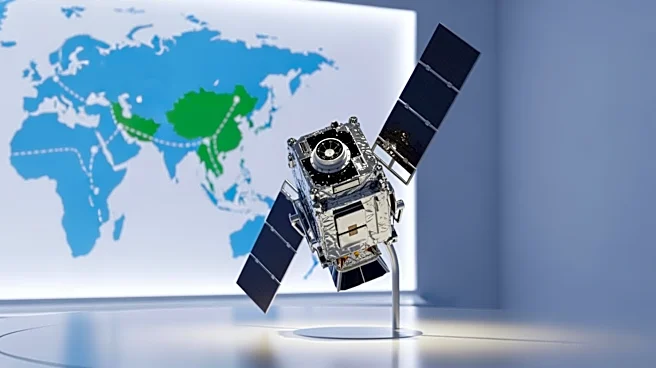
Orbital data centers (ODCs) are facing skepticism regarding their economic viability, with critics citing high costs and technical challenges. Despite these concerns, proponents argue that ODCs could follow a similar trajectory to the early internet,
which was initially dismissed as uneconomical. As space infrastructure develops, the potential for ODCs to process data closer to its source could reduce reliance on terrestrial networks and create new opportunities. The debate continues as the space industry explores the feasibility and benefits of expanding computing capabilities in orbit.
Why It's Important?
The discussion around orbital data centers is significant as it highlights the evolving landscape of space technology and its potential impact on global data processing. If successful, ODCs could revolutionize how data is managed and processed, offering faster and more efficient solutions for industries reliant on large-scale data operations. This development could also drive innovation in space technology, encouraging investment and collaboration across sectors. The potential for ODCs to transform data infrastructure underscores the importance of continued exploration and investment in space-based technologies.
Beyond the Headlines
The exploration of orbital data centers reflects broader trends in technological advancement and the push for more sustainable and efficient data solutions. As the demand for data processing grows, the ability to leverage space-based infrastructure could alleviate pressure on terrestrial systems and reduce environmental impact. This shift also raises questions about the future of data management and the role of space technology in addressing global challenges. The ongoing debate about the feasibility of ODCs may influence future policy decisions and investment strategies in the space industry.