






What's Happening?
The Bureau of Labor Statistics reported that the Consumer Price Index (CPI) rose by 0.6% in April, bringing the annual inflation rate to 3.8%, the highest since May 2023. This increase has resulted in American wages no longer outpacing inflation for the first
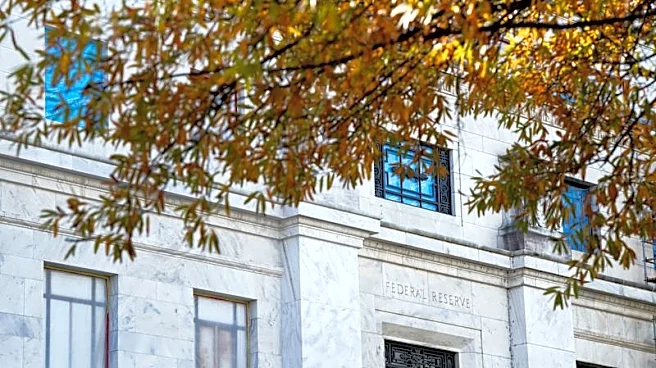
time in three years. The energy price shock from the US-Israeli conflict with Iran has exacerbated affordability concerns, with prices for essential goods like fuel, electricity, and groceries rising significantly. Economists had anticipated a 0.6% monthly increase and a 3.7% annual rate, but the actual figures surpassed these expectations. The Federal Reserve is now likely to delay rate cuts as inflationary pressures persist.
Why It's Important?
The rise in inflation is significant as it directly affects the purchasing power of American consumers, particularly those in lower and middle-income brackets. With wages growing at a slower pace than inflation, households are experiencing increased financial strain. The energy price shock, coupled with disruptions in the supply of critical materials, is contributing to higher costs for everyday items. This situation poses a challenge for the Federal Reserve, which must balance supporting economic growth with controlling inflation. The broader economic implications include potential impacts on consumer spending, business investment, and overall economic stability.
What's Next?
The Federal Reserve is expected to closely monitor inflation trends and may delay any interest rate cuts until inflationary pressures subside. Policymakers will need to address the underlying causes of inflation, such as energy price shocks and supply chain disruptions, to stabilize the economy. Consumers and businesses may need to adjust to a prolonged period of higher prices, which could influence spending and investment decisions. Additionally, political leaders may face increased pressure to implement measures that alleviate the financial burden on households.