

What's Happening?
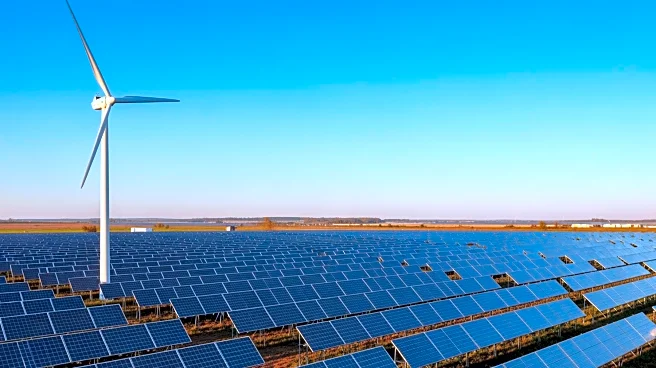
Despite significant investments in renewable energy, many projects in the United States and globally fail to reach construction. The sector faces a bottleneck not in generating electricity but in executing projects. Over $600 billion is invested annually
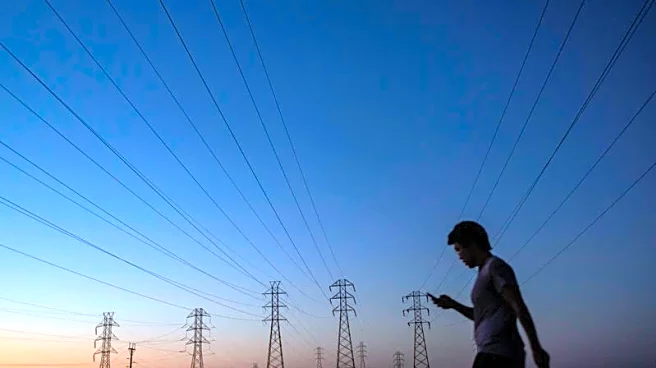
in renewable energy, yet a large portion of projects remain unbuilt due to unclear grid connection costs, timelines, and infrastructure constraints. This issue is exacerbated by rising electricity demand driven by the expansion of artificial intelligence and data centers, which require substantial power supply.
Why It's Important?
The inability to execute renewable energy projects efficiently poses a significant challenge to meeting growing electricity demands and transitioning to sustainable energy sources. This gap between planned and actual capacity can hinder economic growth and technological advancements, particularly in sectors reliant on continuous power supply. The misallocation of capital to non-viable projects results in financial losses and missed opportunities for more promising initiatives. Addressing these execution challenges is crucial for improving energy infrastructure and ensuring reliable electricity access.
What's Next?
To overcome these challenges, the energy sector must improve decision-making processes related to project viability and investment. This involves better data management and early identification of feasible projects. As electricity demand continues to rise, particularly with the growth of AI and data centers, the focus will likely shift towards enhancing grid infrastructure and streamlining project execution. Policymakers and industry leaders may need to collaborate on developing frameworks that facilitate efficient project development and reduce barriers to grid access.