



What's Happening?
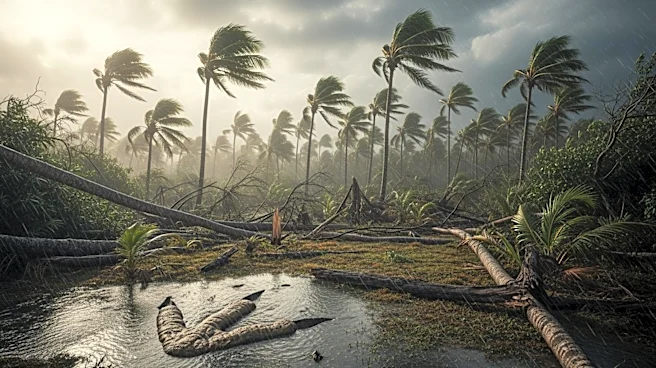
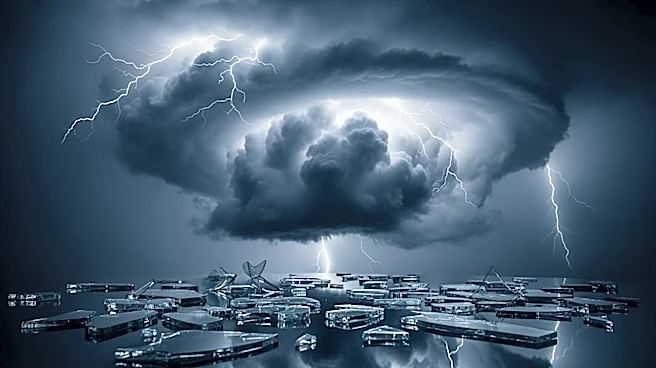
Severe convective storms (SCS) have become a significant driver of global insurance claims, with losses exceeding $200 billion between 2023 and 2025. These storms, which include flash flooding, high winds, and hailstorms, accounted for nearly half of all
insured natural catastrophe losses last year, totaling over $60 billion. Hail events are particularly costly, responsible for 50% to 80% of all SCS-related insurance losses. The increasing severity of these storms is impacting high-value assets such as aircraft fleets and solar power installations. Factors such as population growth in hazard-prone areas and outdated construction codes are exacerbating the financial impact. The cost of repairs has surged, with asphalt roof replacements rising 45% in the last five years. Insurance experts are advocating for the use of Artificial Intelligence to identify vulnerabilities in advance, as traditional catastrophe models struggle to account for specific property factors.
Why It's Important?
The financial impact of severe convective storms is significant, rivaling or exceeding that of primary perils like hurricanes. This trend poses a substantial risk to the insurance industry, which must adapt to the increasing frequency and severity of these events. The rising costs of repairs and rebuilding, coupled with shortages in skilled labor and materials, further strain resources. Businesses and insurers are urged to move beyond traditional scenario planning and adopt proactive risk management strategies. The use of AI and data-driven insights can help identify weak points in infrastructure, potentially reducing future losses. This shift is crucial for maintaining the stability of the insurance market and protecting high-value assets from escalating natural disaster risks.
What's Next?
Insurance companies are likely to increase their focus on integrating AI technologies to better predict and mitigate the impacts of severe convective storms. This could lead to more accurate risk assessments and tailored insurance products that address specific vulnerabilities. Additionally, there may be a push for updated building codes and construction practices to enhance resilience against such storms. Policymakers and industry leaders might collaborate to develop strategies that address the challenges posed by rapid urbanization and climate change, ensuring that infrastructure can withstand future weather events.