








What's Happening?
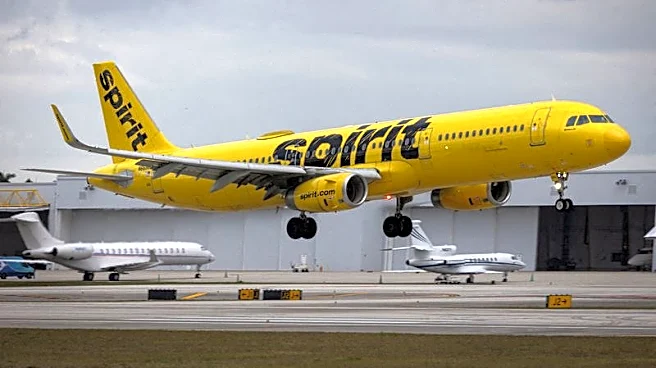
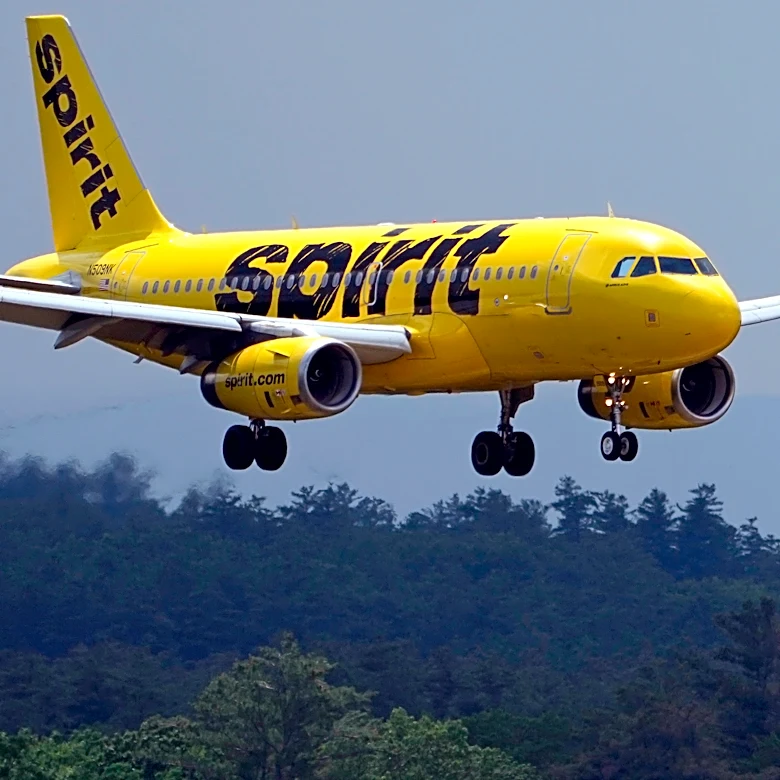
Spirit Airlines has announced the immediate cessation of all operations, citing rising jet fuel costs and ongoing profitability challenges. The decision to shut down comes after failed attempts to secure a rescue package and support from key bondholders.
This abrupt halt affects thousands of employees and millions of passengers who now need to find alternative travel arrangements. The airline's shutdown marks the end of its 34-year history as a budget carrier in the U.S. travel market.
Why It's Important?
The shutdown of Spirit Airlines is a significant event in the U.S. aviation sector, highlighting the financial vulnerabilities of budget airlines in the face of fluctuating fuel prices and economic pressures. This development impacts not only the airline's employees and passengers but also the broader travel industry, which may experience shifts in market dynamics and pricing structures. The closure raises questions about the sustainability of low-cost airline models and the need for strategic financial planning to withstand economic challenges.
What's Next?
In the aftermath of Spirit Airlines' shutdown, affected passengers will need to seek refunds and alternative travel options, potentially leading to increased demand for flights with other carriers. The airline's employees may face job transitions, with some being encouraged to apply for positions with other airlines. The situation may prompt discussions on regulatory measures to support struggling airlines and protect consumer rights during such disruptions. Additionally, the industry may see increased consolidation as remaining carriers adjust to fill the market gap left by Spirit.