





What's Happening?
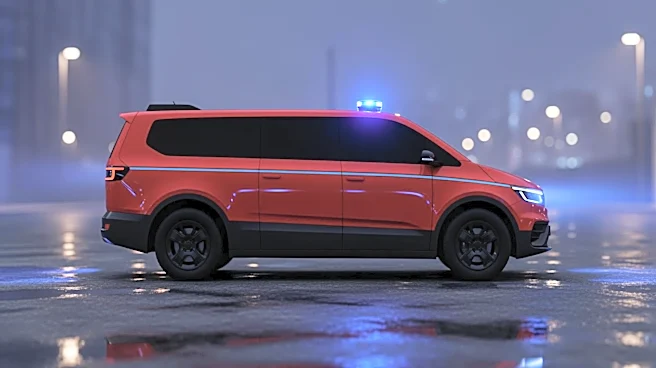
Scania has introduced its first battery-electric CrewCab at the Interschutz 2026 event in Hannover. This launch is part of Scania's strategy to support the transition to low-emission operations in the fire and rescue vehicle segment. The CrewCab, along
with a P-cab battery-electric truck, addresses the demand for zero-emission vehicles in this sector. Scania's display at the event includes a range of vehicles, such as the CP28 and CP31 models with Super 11 engines, which promise up to 10% fuel savings. The company aims to provide comprehensive solutions that include both combustion and electric options, ensuring performance and reliability during the transition to sustainable operations.
Why It's Important?
The introduction of battery-electric vehicles in the fire and rescue sector marks a significant step towards reducing emissions in critical public service operations. Scania's move aligns with global efforts to decarbonize transportation, particularly in sectors where reliability and performance are crucial. By offering both electric and combustion engine options, Scania is catering to diverse operational needs, facilitating a smoother transition for operators. This development could influence other manufacturers to accelerate their own electrification efforts, potentially leading to broader adoption of sustainable technologies in emergency services.
What's Next?
As Scania continues to expand its electric vehicle offerings, the company may focus on further innovations to enhance the performance and reliability of its electric models. Stakeholders in the fire and rescue sector might evaluate the operational benefits and cost-effectiveness of transitioning to electric vehicles. Regulatory bodies could also play a role in encouraging the adoption of zero-emission vehicles through incentives or mandates. The success of Scania's electric CrewCab could set a precedent for other manufacturers, potentially leading to increased competition and innovation in the market.