


What's Happening?
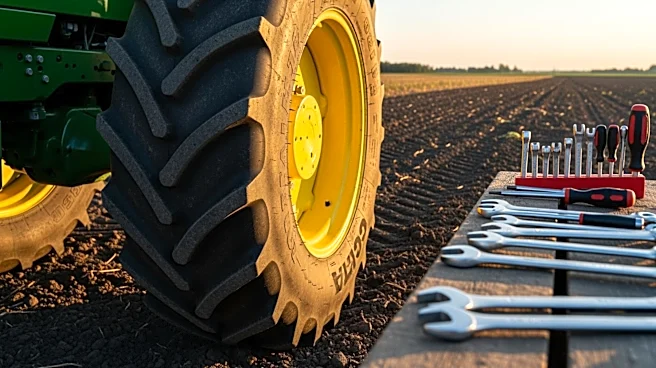
John Deere has agreed to a $99 million settlement in a class action lawsuit concerning the right-to-repair issue. Farmers have long been battling the agricultural manufacturing giant over their ability to repair their own equipment, which has been restricted
by Deere's policies. The settlement includes a fund for farms and individuals who paid for repairs through authorized dealers since January 2018, allowing plaintiffs to recover between 26% and 53% of overcharge damages. Additionally, Deere will provide digital tools for maintenance, diagnosis, and repair of its machinery for the next decade, addressing concerns that previously led farmers to hack their equipment's software.
Why It's Important?
This settlement is significant as it addresses the longstanding right-to-repair issue, which has implications beyond the agricultural sector. It sets a precedent that could influence other industries, such as automotive and home appliances, where manufacturers often control post-sale product repairs. The agreement may lead to increased accessibility and affordability of repairs, potentially reducing costs for farmers and other stakeholders. Furthermore, it highlights the growing demand for consumer rights in product maintenance and repair, challenging manufacturers' control over their products.
What's Next?
The settlement awaits judicial approval, which seems likely. However, John Deere still faces a lawsuit from the United States Federal Trade Commission regarding its restrictive repair practices. The outcome of these legal proceedings could further impact the right-to-repair movement and influence regulatory policies. Other industries are closely watching these developments, as they may affect their own repair and maintenance practices.
Beyond the Headlines
The right-to-repair movement raises ethical questions about consumer rights and corporate control. It challenges the balance between protecting intellectual property and allowing consumers to maintain their purchases. This case could lead to broader discussions on the legal and cultural implications of repair restrictions, potentially driving legislative changes to support consumer autonomy.