



What's Happening?
In April 2026, U.S. inflation reached 3.8% year-over-year, marking the highest rate since May 2023. This increase, driven by a 17.9% rise in energy prices, has led to a significant impact on silver prices, which fell by 13.6% over six trading sessions.
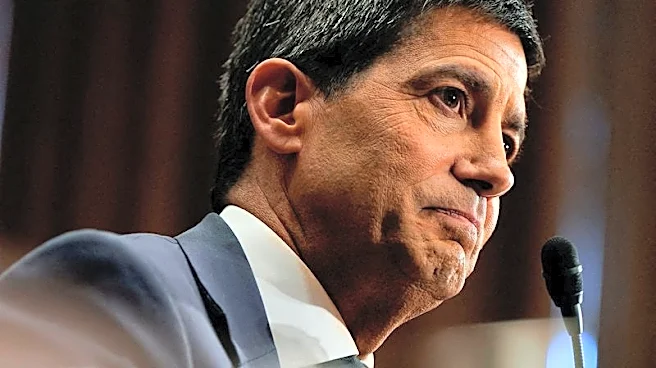
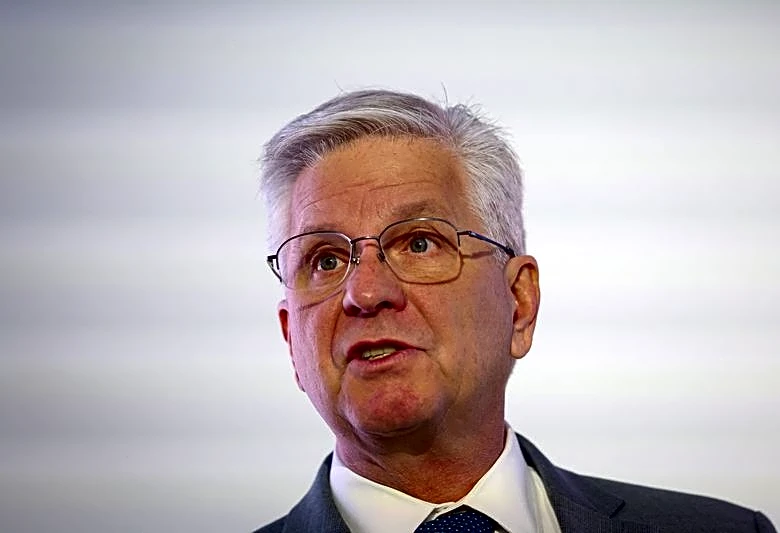
The confirmation of Kevin Warsh as the new Federal Reserve Chair has reinforced expectations for elevated interest rates, further pressuring silver prices. Despite these monetary conditions, the physical silver market remains in deficit for the sixth consecutive year, with cumulative shortages reaching 762 million ounces. Industrial demand for silver is shifting from solar manufacturing to batteries, AI data centers, and semiconductors, while physical investment demand is projected to rise by 20% in 2026.
Why It's Important?
The rise in U.S. inflation and the subsequent impact on silver prices highlight the complex interplay between monetary policy and commodity markets. The persistent supply deficit in the silver market, despite high inflation and interest rates, underscores the ongoing demand for silver in industrial applications. This situation presents challenges for producers and investors, as the cost of holding non-yielding assets like silver increases with higher real yields. The shift in industrial demand towards new technologies such as AI and semiconductors indicates a changing landscape for silver usage, which could have long-term implications for the market.
What's Next?
The upcoming Federal Open Market Committee meeting on June 16-17, 2026, is expected to be a key event for silver pricing, as it will provide insights into future interest rate decisions. Any indication of potential rate cuts could increase investor demand for silver, despite the ongoing supply deficit. Additionally, the continued shift in industrial demand towards high-silver-intensity applications may sustain the market's physical tightness, influencing future price dynamics.