



What's Happening?
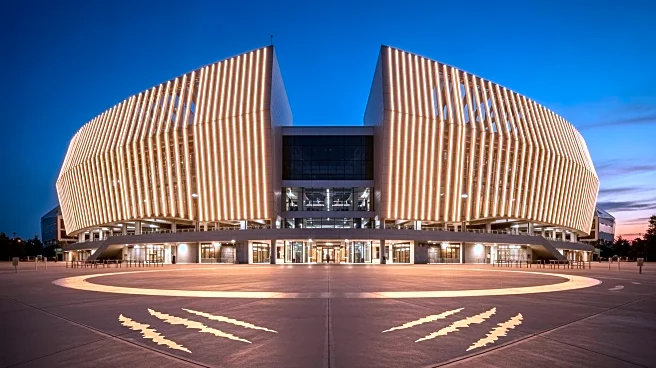
Northwestern University is set to open its new $862 million Ryan Field, a state-of-the-art football stadium in Evanston, Illinois. This development comes after the Wildcats spent two seasons playing at a temporary lakefront field and hosting games at Wrigley Field. The new stadium, funded primarily by the Ryan family, is designed to be the most fan-friendly venue in college football, featuring a canopy roof, improved sight lines, and 35,000 seats. The project faced a contentious approval process, including community concerns over noise and traffic from planned concerts. The stadium will also host up to six major concerts annually. The Wildcats, who have historically struggled in the Big Ten, aim to leverage this new facility to gain a competitive
edge.
Why It's Important?
The opening of the new Ryan Field is significant for Northwestern University and its football program. The modern stadium is expected to enhance the game-day experience, potentially increasing attendance and support for the team. This could lead to improved performance against Big Ten rivals, as the Wildcats aim to establish a stronger home-field advantage. The project also represents a major investment in college sports infrastructure, with the Ryan family contributing significantly to its funding. The stadium's design and amenities could set a new standard for college football venues, influencing future developments in the sector. Additionally, the facility's ability to host concerts and other events may provide economic benefits to the Evanston community.
What's Next?
As the new Ryan Field prepares to open in the fall, Northwestern will focus on finalizing construction and addressing any remaining community concerns. The university will also strategize on maximizing the stadium's potential to attract fans and enhance the football program's competitiveness. The Wildcats will aim to capitalize on the improved facilities to boost recruitment and performance. Meanwhile, the broader college sports community will watch closely to see if the stadium's innovative design influences future projects. The success of Ryan Field could encourage other institutions to pursue similar upgrades, potentially reshaping the landscape of college football venues.