


What's Happening?
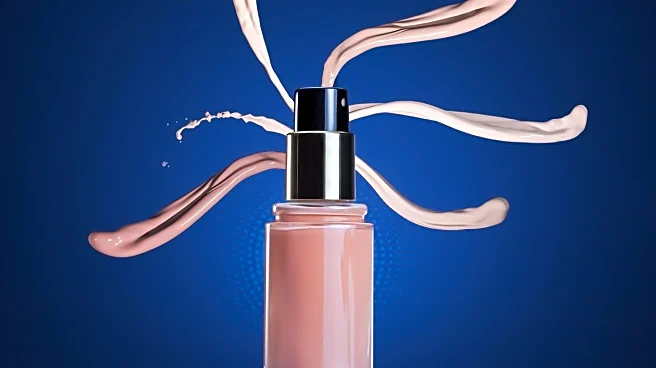
The beauty industry is witnessing a technological transformation with the introduction of AI and smart algorithms in product development and consumer experience. IL MAKIAGE has launched a new Luminous Foundation that combines skincare and makeup, enriched with raspberry cell extract and diamond core powder for a radiant look. The foundation offers a wide range of 50 shades, utilizing AI for precise online shade matching. Estee Lauder has also upgraded its iconic Double Wear foundation with a new Polymer Mesh Matrix Technology, providing long-lasting wear and skin-tone-faithful coverage. Additionally, Garnier and Clarins have introduced new serums targeting dark spots and skin texture, while SEBOCALM focuses on stress-related skin issues with its classic
Dermo Care Moisturizer.
Why It's Important?
The integration of AI and smart algorithms in the beauty industry marks a significant shift towards personalized and precise consumer experiences. This technological advancement allows brands to offer products that cater to diverse skin tones and types, enhancing customer satisfaction and loyalty. The ability to match shades accurately online addresses a major challenge in e-commerce, potentially increasing online sales and reducing return rates. Furthermore, the focus on skincare within makeup products reflects a growing consumer demand for multifunctional beauty solutions that promote skin health. This trend could lead to increased competition among beauty brands to innovate and incorporate advanced technologies in their offerings.
What's Next?
As AI and smart algorithms continue to evolve, beauty brands are likely to further explore personalized and data-driven approaches to product development. This could involve more sophisticated AI tools for skin analysis and customized skincare regimens. The success of these innovations may prompt other industries to adopt similar technologies, potentially leading to a broader application of AI in consumer products. Additionally, the emphasis on sustainability and natural ingredients in beauty products is expected to grow, aligning with consumer preferences for eco-friendly and health-conscious options.
Beyond the Headlines
The use of AI in the beauty industry raises questions about data privacy and the ethical implications of algorithm-driven consumer experiences. As brands collect and analyze consumer data to improve product offerings, they must ensure transparency and protect user privacy. Moreover, the reliance on technology in beauty could widen the gap between tech-savvy consumers and those less familiar with digital tools, highlighting the need for inclusive and accessible solutions. The long-term impact of these technological advancements on traditional beauty practices and cultural perceptions of beauty remains to be seen.