






What's Happening?
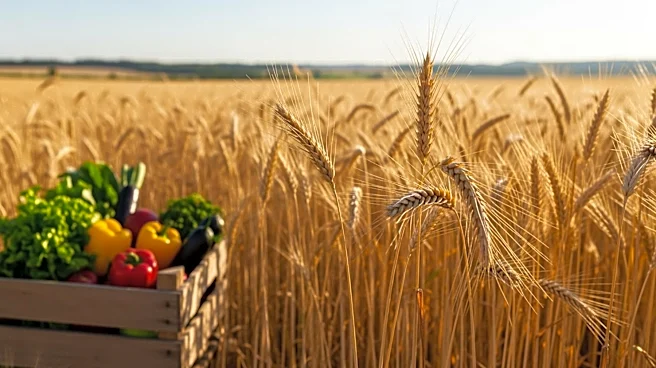
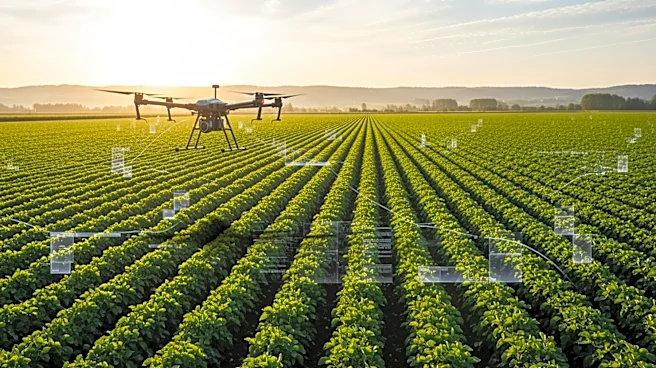
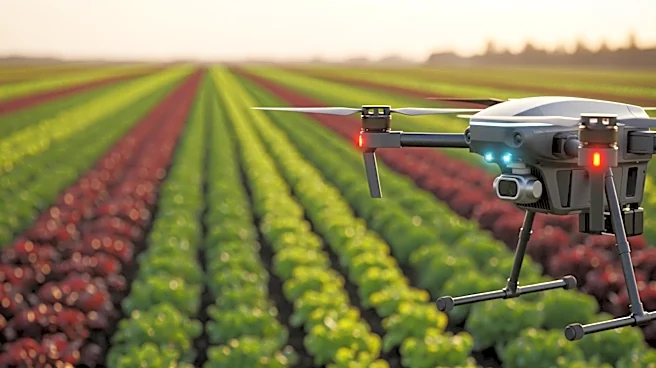
The agriculture industry is experiencing a shift as technological advancements like hydroponics and vertical farming gain traction. These methods allow for controlled environments that enhance crop yields and reduce land and water usage. Despite these
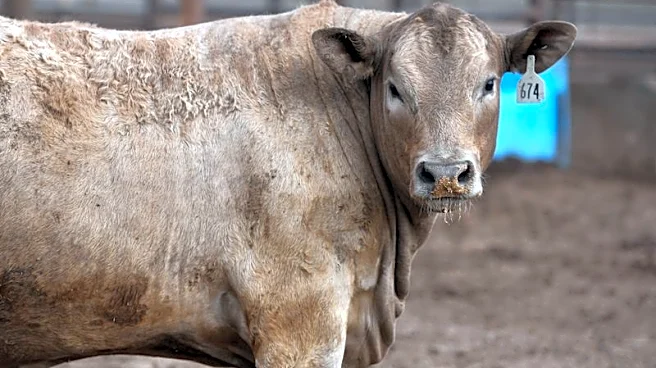
innovations, the industry is grappling with rising costs in labor, packaging, and distribution. The U.S. Department of Agriculture (USDA) projects a 1% increase in total production expenses to $477.7 billion by 2026, with significant rises in livestock and poultry purchases. However, feed expenses are expected to decline by 6.8%. Companies are implementing cost-saving measures to maintain profitability amidst these challenges.
Why It's Important?
The agriculture sector is crucial for food security and economic stability. The adoption of new technologies like hydroponics and vertical farming could revolutionize food production, making it more sustainable and efficient. However, rising operational costs pose a threat to profitability, potentially impacting food prices and availability. Companies that successfully integrate these technologies while managing costs could gain a competitive edge. The industry's ability to adapt to these changes will be vital for its long-term sustainability and growth.
What's Next?
As the industry continues to evolve, companies may increase investments in technology to offset rising costs. The focus will likely be on enhancing efficiency and reducing dependency on traditional farming methods. Stakeholders, including policymakers and investors, will need to support these transitions to ensure the industry's resilience. Monitoring economic indicators and market trends will be essential for anticipating future challenges and opportunities.