





What's Happening?
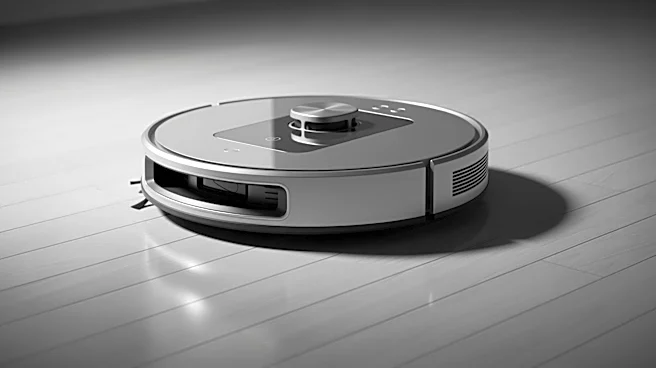
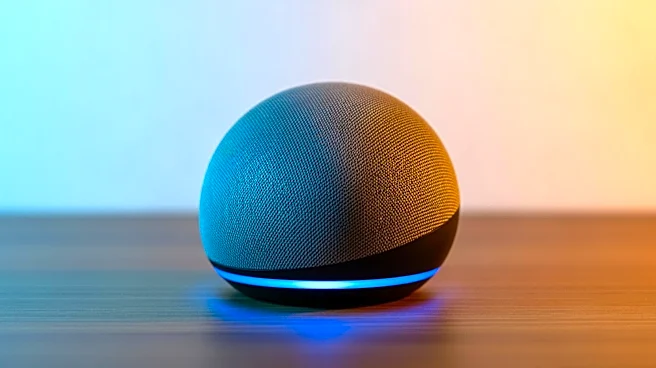
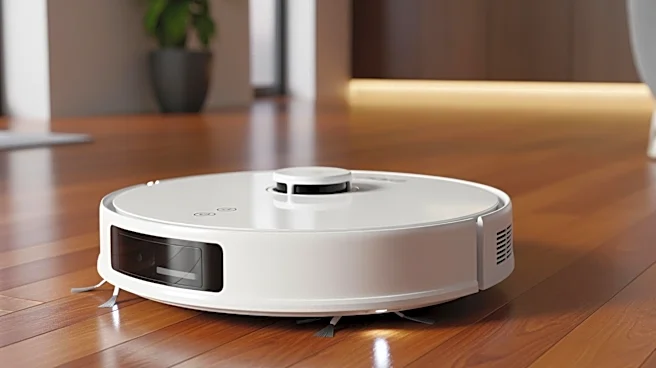
Homebridge 2.0, an open-source platform that bridges Apple HomeKit with other smart home ecosystems, has introduced support for Matter. This update allows Homebridge to support a wider range of devices, including Alexa, Google Home, and robot vacuums,
by using Matter as a unifying protocol. Matter enables devices to be recognized as their true types, such as vacuums, rather than being disguised as other device types like switches or lights. This development aims to fill gaps in HomeKit device support and make Homebridge plugins accessible from other Matter controllers. The update is part of a broader effort to create a single platform that supports both HomeKit and Matter, backed by an ecosystem of over 4,000 plugins.
Why It's Important?
The integration of Matter into Homebridge 2.0 is significant as it enhances the interoperability of smart home devices across different platforms. This move is expected to simplify the user experience by allowing seamless integration and control of various smart home devices, regardless of the ecosystem they belong to. For consumers, this means greater flexibility and choice in selecting smart home devices, potentially leading to increased adoption of smart home technologies. For developers and manufacturers, it presents an opportunity to expand their market reach by ensuring their products are compatible with a wider range of platforms. This development could accelerate the growth of the smart home market by reducing fragmentation and improving device compatibility.
What's Next?
As Homebridge 2.0 rolls out Matter support, users can expect gradual updates to individual plugins to fully leverage the new capabilities. This process will likely involve collaboration between developers to ensure that plugins are updated to support Matter, enabling broader device compatibility. The success of this integration could prompt other smart home platforms to adopt similar strategies, further promoting the adoption of Matter as a standard protocol. Additionally, as more devices become Matter-compatible, consumers may see an increase in the availability of smart home products that offer enhanced functionality and ease of use.