



What's Happening?
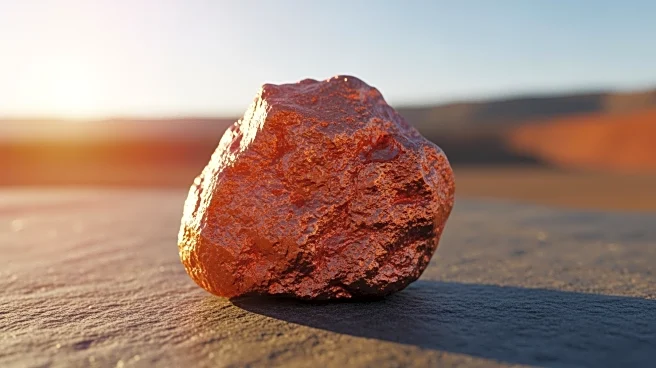
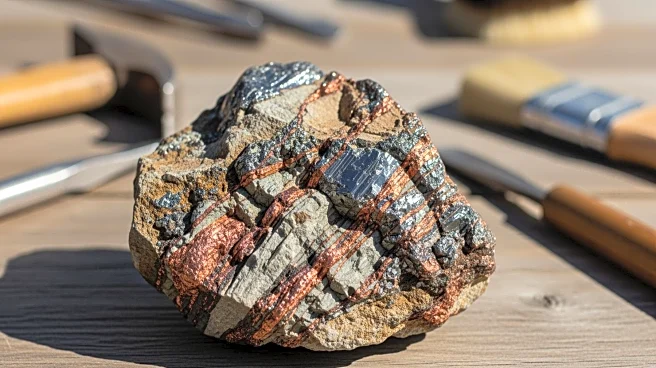
Canadian mining company Vortex Metals has commenced the second phase of exploration at its Illapel copper-silver project in Chile. This phase builds on initial findings that identified low-resistivity sulphide mineralization extending north from the Rio
27 copper-silver mine. The project, located in the Commune of Illapel, Choapa Province, covers an area of 180 square kilometers. The exploration will include an airborne geophysical survey over approximately 2,000 line kilometers, utilizing magnetics, very low frequency electromagnetics (VLF-EM), and radiometrics to map structures and assess mineralization potential. The goal is to define new drill targets based on these findings. Discussions are ongoing with a local geophysical contractor to finalize the plans. Initial drilling results have indicated a mineralized system, supporting further investigation into the north-north-east trend of high-grade, manto-style copper-silver mineralization.
Why It's Important?
The expansion of exploration activities by Vortex Metals at the Illapel project is significant for the mining sector in Chile, a country known for its rich mineral resources. The project's success could attract further investment and enhance Chile's position as a leading destination for mining-related foreign investment in Latin America. The identification of new mineralization targets could lead to increased copper and silver production, contributing to the global supply of these essential metals. This development is particularly relevant as the demand for copper continues to rise, driven by its critical role in renewable energy technologies and electric vehicles. The project's progress could also have economic implications for the local community, potentially creating jobs and boosting local economies.
What's Next?
Following the completion of the geophysical survey, Vortex Metals plans to design a drill program based on the results. The company aims to explore numerous copper surface expressions, multiple geophysical targets, and indications of an iron oxide copper gold (IOCG) target. The next steps will involve detailed analysis of the geophysical data to refine drilling targets and further assess the mineralization potential. The outcome of these activities could influence future investment decisions and strategic partnerships in the region. Stakeholders, including local communities and environmental groups, may closely monitor the project's impact on the environment and local economies.