





What's Happening?
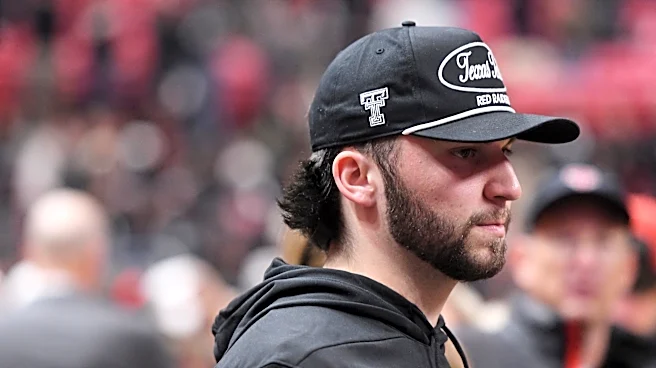
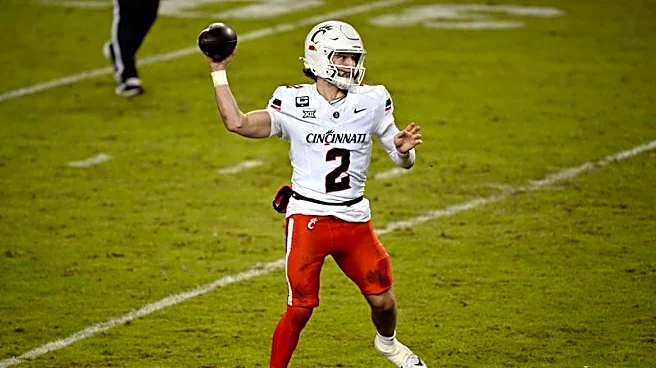
A court order has been issued by Judge Ken Curry, imposing a two-game suspension on Texas Tech quarterback Brendan Sorsby. This decision comes as part of a ruling that restores Sorsby's NCAA eligibility, but with specific conditions. The ruling, which
spans less than four pages, mandates that Sorsby must not participate in game day activities for the first two games of the Texas Tech 2026 football season. Consequently, Sorsby will miss the games against Abilene Christian on September 5 and Oregon State on September 12. The court's decision is based on several legal considerations, including the potential for irreparable injury to Sorsby without an injunction, a probable right to relief on the merits of his legal claims, and a balancing of hardships that favors granting the injunction. The NCAA retains the right to appeal this decision, and Sorsby could also appeal the requirement to miss two games.
Why It's Important?
This ruling is significant as it impacts both the player and the Texas Tech football team. For Sorsby, the decision allows him to maintain his NCAA eligibility, which is crucial for his athletic career. However, the suspension could affect his performance and visibility in the early part of the season. For Texas Tech, the absence of their quarterback in the first two games could influence their performance and strategy, potentially affecting their season's outcome. The case also highlights ongoing legal challenges within collegiate sports, particularly concerning player rights and NCAA regulations. The decision could set a precedent for similar cases, influencing how eligibility and disciplinary actions are handled in the future.
What's Next?
The NCAA may choose to appeal the court's decision, which could lead to further legal proceedings. If an appeal is filed, it could delay the final resolution of Sorsby's eligibility status. Additionally, Sorsby might consider appealing the specific condition of missing two games, seeking full participation in the season. The outcome of any appeals could have broader implications for NCAA policies and the rights of student-athletes. Stakeholders, including other collegiate athletes and institutions, will likely monitor the situation closely, as it may affect future legal strategies and policy developments in college sports.