







What's Happening?
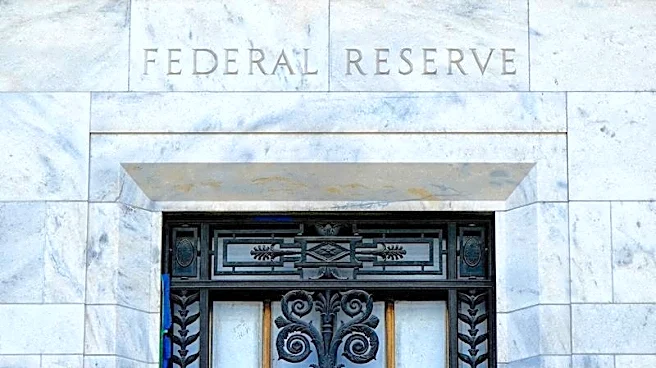
New York Federal Reserve President John Williams has stated that the U.S. central bank's monetary policy is well-positioned to handle the economic uncertainties arising from the ongoing conflict in the Middle East. In a speech delivered to the Cynosure
Group in New York City, Williams highlighted the increased risks to the Federal Reserve's dual mandate due to the war. He noted that the conflict, particularly the closure of the Strait of Hormuz, has led to significant energy price hikes, which could result in a broader supply shock affecting inflation and economic activity. Despite these challenges, Williams expects the U.S. economy to grow between 2% and 2.25% this year, with unemployment remaining stable. However, inflation is projected to stay around 3% before eventually aligning with the Fed's 2% target.
Why It's Important?
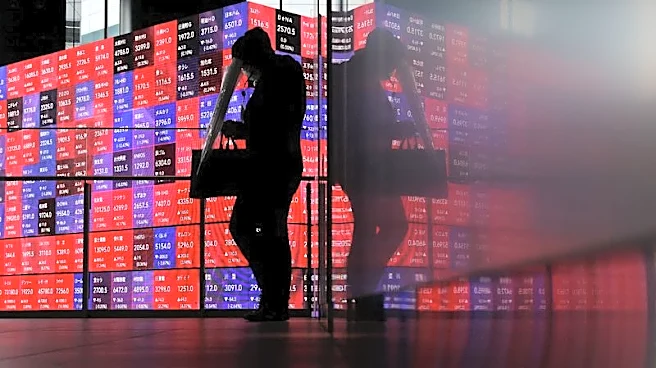
The remarks by John Williams underscore the Federal Reserve's cautious approach amid heightened geopolitical tensions that could disrupt global economic stability. The conflict in the Middle East, particularly involving Iran, poses a significant threat to energy markets, potentially leading to increased inflation and economic slowdown. The Fed's decision to maintain interest rates reflects its strategy to balance inflation control with economic growth. This situation highlights the delicate position of the Fed as it navigates external shocks while ensuring domestic economic resilience. The outcome of these policies will have far-reaching implications for U.S. economic stakeholders, including businesses, consumers, and policymakers, as they adapt to potential shifts in energy prices and market conditions.
What's Next?
The Federal Reserve will continue to monitor the situation closely, with potential adjustments to monetary policy depending on the evolving economic landscape. The central bank's future actions will likely be influenced by the duration and impact of the Middle East conflict on global energy supplies and prices. Stakeholders, including businesses and investors, will be watching for any signals from the Fed regarding interest rate changes or other policy measures. Additionally, the Fed's internal debates, as evidenced by differing opinions among regional bank presidents, suggest that future policy decisions may involve balancing diverse perspectives on economic risks and opportunities.