





What's Happening?
Seattle is preparing to host matches for the upcoming World Cup, with initial projections estimating that 750,000 soccer fans would visit the city. This influx was expected to benefit local hotels and restaurants still recovering from the pandemic. However,
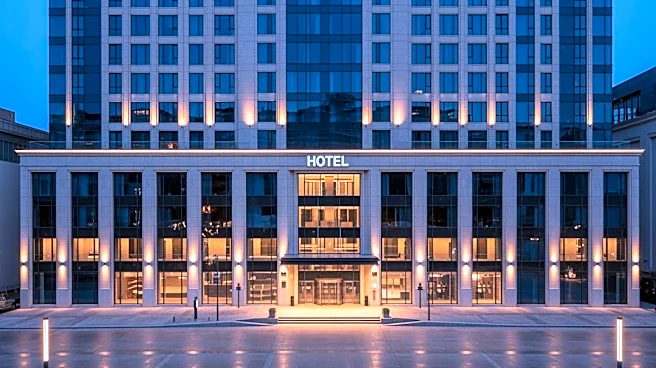
a recent survey by the American Hotel and Lodging Association indicates that hotel bookings are tracking below initial forecasts, with 80% of respondents reporting lower than expected occupancy rates. This has prompted businesses like Fire & Vine Hospitality to adjust their strategies, anticipating last-minute bookings and altering operational hours to align with match schedules. Despite these challenges, local businesses remain optimistic about the potential economic boost from the event.
Why It's Important?
The World Cup presents a significant opportunity for economic recovery in Seattle, particularly for the hospitality sector. The anticipated influx of visitors could provide a much-needed boost to hotels and restaurants that have struggled during the pandemic. However, the lower than expected hotel bookings highlight potential challenges, such as rising inflation, travel bans, and competition from nearby Vancouver, BC. These factors could impact the overall economic benefits for the region. Nonetheless, the event is expected to generate increased interest in soccer, potentially leading to long-term growth in local sports-related businesses.
What's Next?
As the World Cup approaches, Seattle businesses are preparing for potential last-minute bookings and adjusting their operations to accommodate the event's schedule. Restaurants are planning to offer menus in multiple languages to cater to international visitors. Meanwhile, new businesses, such as a soccer-only store near Tacoma Mall, are opening in anticipation of increased interest in the sport. The first World Cup match in Seattle is scheduled for June 15, and local businesses are hopeful that the event will lead to a successful summer season.
Beyond the Headlines
The World Cup's impact extends beyond immediate economic benefits, potentially influencing cultural and social dynamics in the region. The event could foster a greater appreciation for soccer, encouraging more youth participation and community engagement in the sport. Additionally, the challenges faced by businesses in adapting to fluctuating visitor numbers highlight the need for flexible and resilient business strategies in the face of global events and economic uncertainties.