



What's Happening?
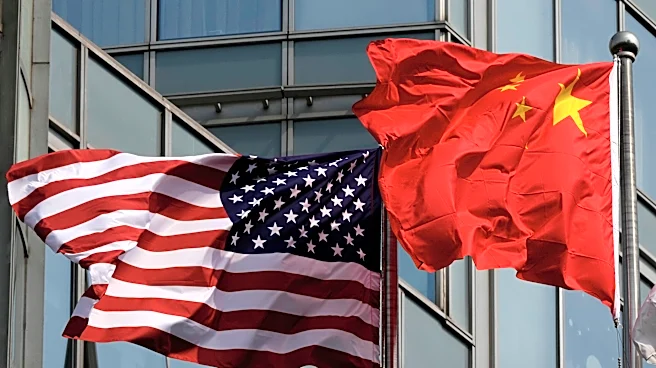
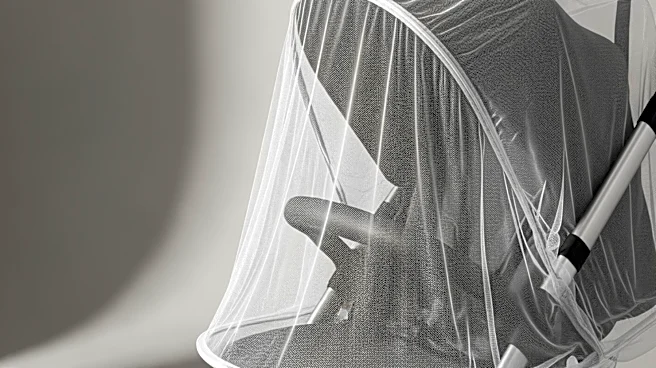
The Brazilian market for foldable stroller mosquito nets is heavily reliant on imports, with over 80% of products sourced from China and Southeast Asia. This dependency exposes the market to freight volatility and port delays. Compliance with INMETRO
safety standards is crucial, as it dictates market access and segments the market into compliant and informal categories. The market is experiencing a shift towards mid-range and premium nets, driven by consumer preference for chemical-free protection. E-commerce channels are reshaping distribution, accounting for a significant portion of sales. However, macroeconomic volatility and supply chain constraints pose challenges, affecting pricing and availability.
Why It's Important?
The reliance on imports for foldable stroller mosquito nets highlights the vulnerabilities in Brazil's supply chain, particularly in the face of global disruptions. The emphasis on compliance with safety standards underscores the importance of regulatory frameworks in shaping market dynamics. The shift towards premium products reflects changing consumer preferences and the growing importance of safety in infant products. The role of e-commerce in distribution indicates a transformation in retail channels, which could influence market strategies for suppliers and retailers. The challenges faced by the market could impact consumer access to essential safety products, particularly during peak mosquito seasons.
What's Next?
The Brazilian market for foldable stroller mosquito nets is expected to continue its growth trajectory, driven by increasing urbanization and awareness of vector-borne diseases. Suppliers may need to invest in compliance and product differentiation to capture market share. The potential for regulatory tightening could further consolidate the market towards compliant suppliers. Importers might explore strategies to mitigate supply chain risks, such as diversifying sourcing or enhancing inventory management. The market's evolution will likely be influenced by demographic trends and climatic conditions, which could sustain demand for mosquito protection products.