
What's Happening?
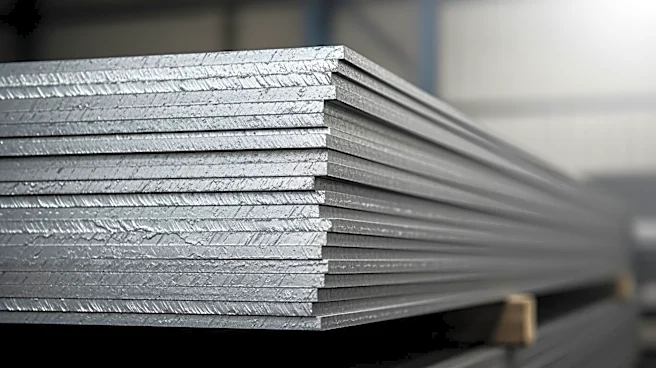
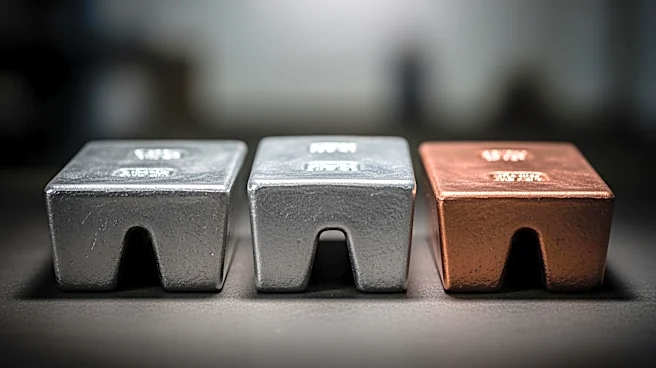
President Trump has signed a proclamation that significantly restructures the Section 232 tariffs on steel, aluminum, and copper imports. The new tariff regime introduces a tiered structure, applying tariffs based
on the full customs value of imported products rather than the previous metal-content-based approach. Primary steel, aluminum, and copper articles are now subject to a 50% tariff, while certain derivatives face a 25% tariff. Additionally, 247 HTSUS codes have been removed from the tariff regime, and UK products receive preferential treatment with reduced tariffs. The changes aim to simplify the tariff system and address previous loopholes that allowed foreign importers to declare artificially low metal values.
Why It's Important?
The overhaul of Section 232 tariffs is poised to have significant implications for U.S. industries and international trade relations. By applying tariffs to the full customs value, the new system may increase duty exposure for importers, potentially raising costs for businesses reliant on imported metal products. The preferential treatment for UK products reflects ongoing diplomatic discussions and could influence future trade negotiations. The restructuring also aims to enhance the effectiveness of the tariff regime by closing loopholes that undermined its objectives, potentially impacting global supply chains and trade dynamics.
What's Next?
Importers and affected companies are advised to review the new tariff classifications and assess the impact on their supply chains. The changes take effect on April 6, and businesses must quickly adapt to the revised duty rates and preferential structures. Monitoring guidance from U.S. Customs and Border Protection will be crucial for compliance, as further implementation details are expected. Companies should also consider the interplay between the revised tariffs and other trade measures, including antidumping and countervailing duties.