


What's Happening?
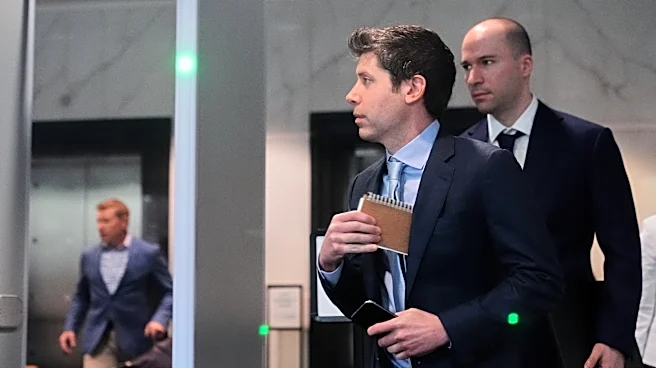
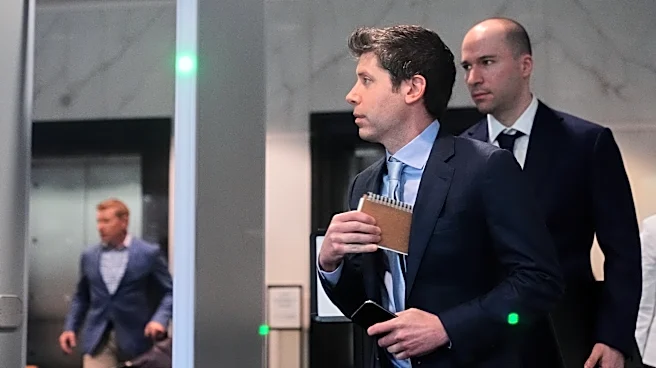
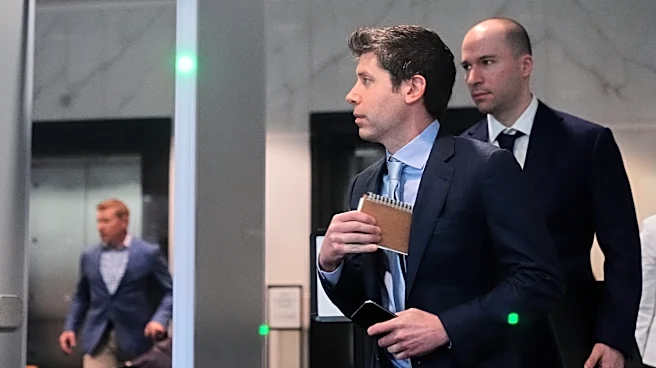
Elon Musk's legal battle against OpenAI has reached a critical juncture as lawyers presented their closing arguments in a trial that could significantly impact the future of artificial intelligence. Musk, who co-founded OpenAI in 2015, filed a lawsuit
in 2024 against OpenAI CEO Sam Altman and his deputy, accusing them of transforming the organization from a nonprofit to a for-profit entity without his consent. The trial, held in Oakland, California, centers on whether Musk's lawsuit was filed within the statute of limitations and if there was a breach of charitable trust. The jury's decision will determine if OpenAI's shift violated its original mission and if Altman and others unjustly enriched themselves at Musk's expense. The outcome could influence OpenAI's planned initial public offering and the broader AI industry's direction.
Why It's Important?
The trial's outcome holds significant implications for the AI industry, potentially altering the balance of power among major players. If Musk prevails, it could disrupt OpenAI's IPO plans and lead to changes in its business structure, affecting its competitive position. The case also raises broader questions about the governance and ethical responsibilities of AI companies, particularly those transitioning from nonprofit to for-profit models. The trial highlights the tension between innovation and profit in the tech industry, with potential repercussions for stakeholders, including investors, employees, and the public. The decision could set a precedent for how AI companies are held accountable to their founding missions and the ethical considerations of their operations.
What's Next?
The jury's decision will determine the next steps for both parties. If Musk's claims are upheld, OpenAI may face significant restructuring and leadership changes, potentially impacting its market strategy and investor confidence. Conversely, if the jury rules in favor of OpenAI, it could proceed with its IPO plans, solidifying its position in the AI market. The trial's outcome may also prompt other AI companies to reevaluate their governance structures and ethical commitments. Stakeholders, including tech leaders and policymakers, will likely scrutinize the decision, influencing future regulatory and industry standards for AI development and deployment.
Beyond the Headlines
The trial underscores the ethical and legal challenges facing the AI industry as it navigates rapid technological advancements. The case highlights the potential conflicts between founding missions and commercial interests, raising questions about the accountability of tech leaders and the role of AI in society. The public's growing concern over AI's impact on jobs, privacy, and security adds another layer of complexity, emphasizing the need for transparent and responsible AI governance. The trial may catalyze broader discussions on the ethical frameworks guiding AI development and the responsibilities of tech companies to prioritize societal benefits over profit.