
What's Happening?
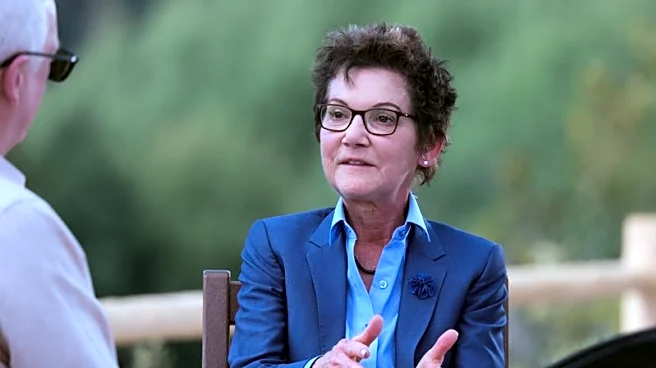
Wells Fargo has issued a warning to consumers regarding anticipated price increases in the home goods sector, expected to take effect in early 2026. According to Lauren Murphy, managing director of Wells Fargo Retail Finance, retailers have been attempting to maintain or slightly increase prices during the holiday season, offering promotions and discounts to attract buyers. However, the imposition of additional tariffs is expected to raise the cost of new shipments, which retailers will likely pass on to consumers. This situation is particularly acute for home goods retailers, who rely heavily on imports and have limited capacity to absorb rising tariff costs. As a result, price hikes in this category are expected to occur more rapidly than
in others, such as apparel. Murphy advises consumers to consider making major furniture purchases now to take advantage of current prices before the anticipated increases.
Why It's Important?
The expected price increases in the home goods sector could have significant implications for consumers and the retail industry. As tariffs raise the cost of imports, retailers may be forced to pass these costs onto consumers, potentially leading to decreased consumer spending in this category. This could impact the overall retail market, as consumers may prioritize essential purchases over discretionary spending. Additionally, the anticipated price hikes could disproportionately affect lower-income households, who may struggle to afford necessary home goods at higher prices. Retailers may need to adjust their strategies to maintain sales volumes, possibly by increasing promotions or seeking alternative supply chain solutions.
What's Next?
As the new tariffs take effect, retailers are likely to continue adjusting their inventory strategies to mitigate the impact of rising costs. This may include further front-loading of inventory purchases or seeking alternative suppliers to reduce dependency on imports. Consumers, on the other hand, may need to plan their purchases strategically, taking advantage of current promotions and discounts before prices rise. The retail industry will be closely monitoring consumer behavior and adjusting their pricing and promotional strategies accordingly. Additionally, there may be increased advocacy for policy changes to address the impact of tariffs on consumer goods prices.